Maintaining your vehicle’s braking system is crucial for safety and performance, especially if you drive in hilly or coastal regions like Sydney’s Northern Beaches. Over time, brake drums can wear, develop grooves, or lose their smooth finish, affecting braking efficiency. When that happens, the question arises, should you go for brake drum resurfacing or a full replacement? Let’s explore the differences, benefits, and how to decide what’s best for your car.
Understanding Brake Drum Resurfacing
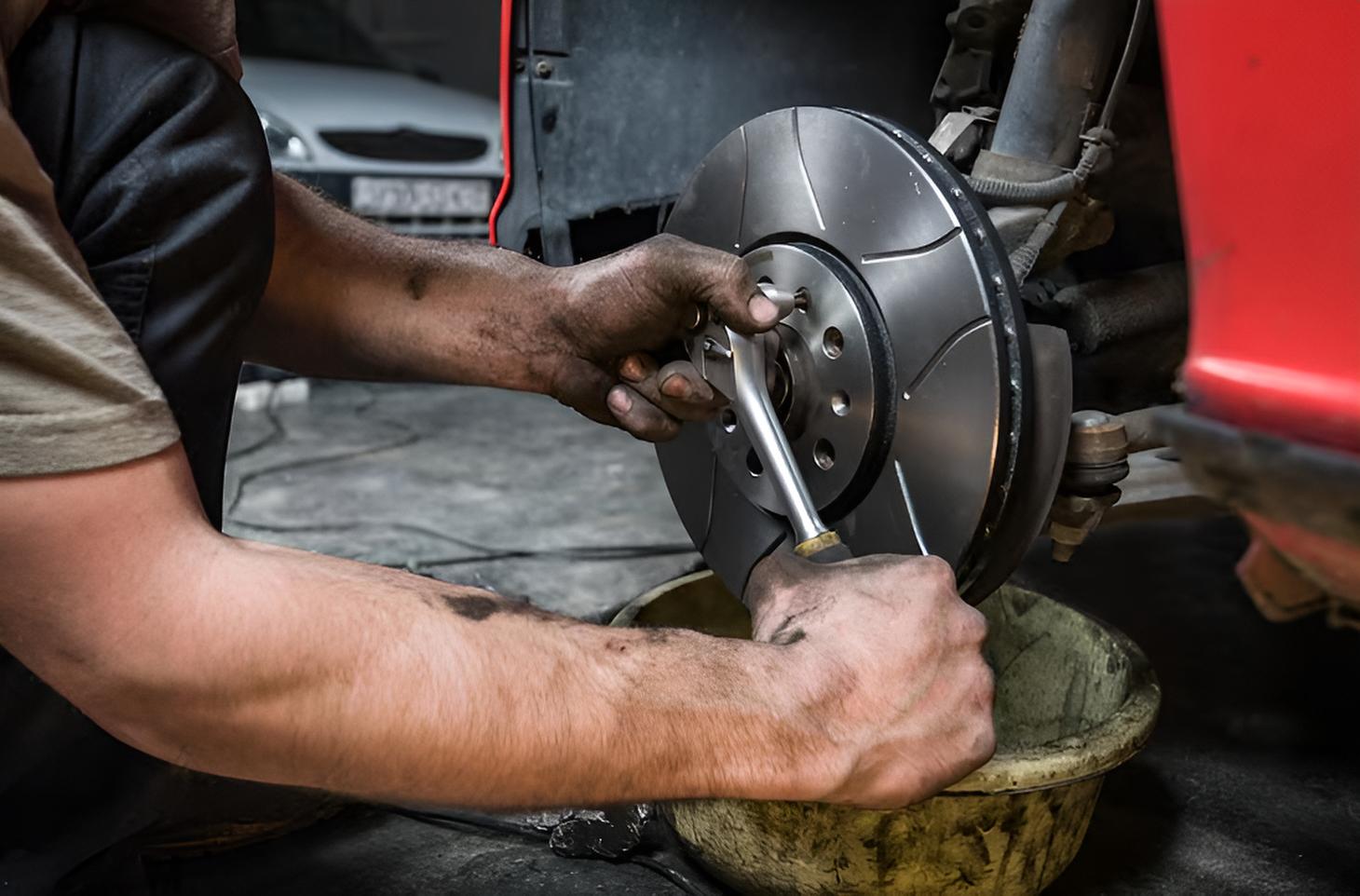
Brake drum resurfacing (or machining) is the process of restoring the smooth surface inside the brake drum by removing a thin layer of metal. This eliminates scoring, uneven wear, and minor imperfections that can cause vibration or noise during braking. It’s a cost-effective solution often used during regular brake and clutch service to extend the life of your existing components.
However, resurfacing has its limits. Every drum has a minimum allowable thickness. If resurfacing pushes it below that threshold, it may compromise braking efficiency and safety.
When to Choose Brake Drum Resurfacing
Resurfacing is ideal when:
- The brake drums have minor grooves or scoring.
- You experience slight vibrations or squealing sounds.
- The brake pedal feels uneven or soft but not spongy.
- The drum’s thickness remains within the manufacturer’s safe limits.
In these cases, resurfacing restores braking balance and smooth performance without the cost of full replacement. It’s a sustainable and economical option that keeps your car roadworthy while ensuring consistent brake performance during car servicing.
When Brake Drum Replacement is Necessary
While resurfacing can be a temporary fix, replacement becomes essential when:
- The drum is cracked or warped.
- The wear exceeds the minimum specification.
- Excessive heat damage or deep scoring is visible.
- You notice persistent vibrations after resurfacing.
Replacing the brake drum ensures complete reliability, especially for older vehicles or those exposed to heavy loads and steep driving conditions common around the Northern Beaches. Modern replacement drums are designed for better heat dissipation, improving braking performance, and reducing wear on your shoes and other components.
Comparing Cost, Safety, and Performance
| Aspect | Brake Drum Resurfacing | Brake Drum Replacement |
| Cost | More affordable | Higher initial cost |
| Lifespan | Extends existing drum life | Long-term solution |
| Safety | Effective if within limits | Best for worn or damaged drums |
| Maintenance | Ideal during regular servicing | Recommended for high mileage or damaged parts |
While resurfacing can save money short-term, replacing the drum provides peace of mind and reduces future maintenance costs. It’s often the smarter investment if your mechanic finds severe damage during your next brake servicing.
The Role of Professional Brake Inspections
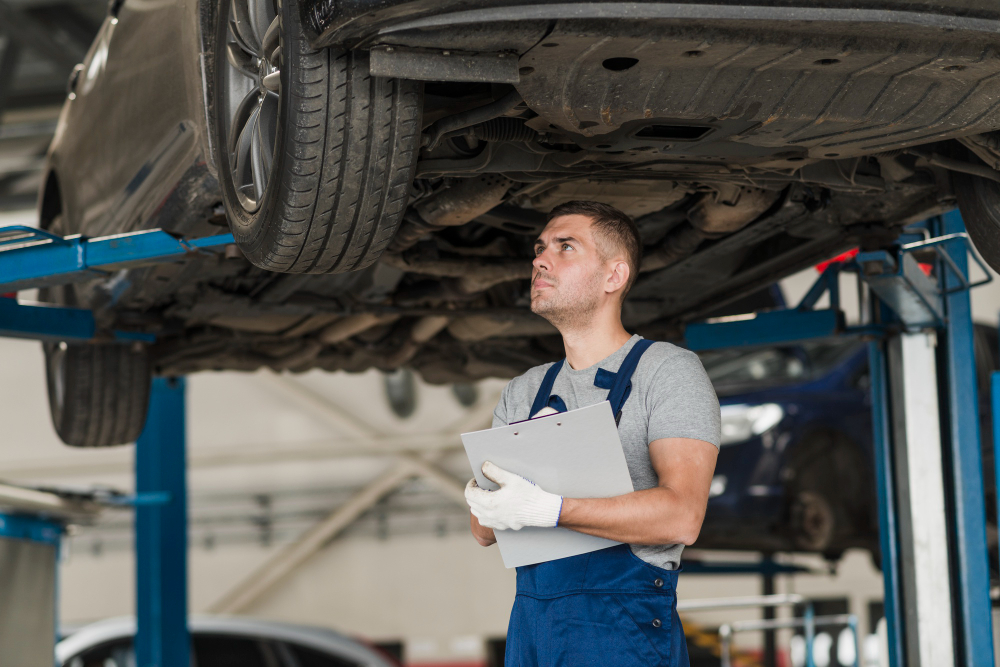
A certified technician can accurately measure drum thickness, inspect for heat spots, and test for roundness. At Warringah Brake & Clutch Centre, our specialists use advanced diagnostic tools to determine whether brake drum resurfacing or replacement is the safest choice.
Regular inspections as part of your car servicing help prevent costly repairs, ensuring your vehicle maintains strong, consistent braking performance.
Benefits of Timely Brake Drum Maintenance
- Improved braking response – Smooth drums ensure optimal contact with brake shoes.
- Enhanced safety – Prevents brake fade and uneven stopping.
- Extended lifespan – Reduces wear on other brake components.
- Cost savings – Identifying issues early avoids full replacements later.
- Better driving comfort – Eliminates noise and vibration during braking.
Frequently Asked Questions
