Your vehicle’s braking system plays a vital role in keeping you safe on the road. Over time, air can get trapped within the brake lines, causing the brake pedal to feel soft or spongy. This reduces braking efficiency and can compromise safety. The process of removing that air is called bleeding brakes, an essential part of every vehicle’s maintenance routine. But the question remains: should you do it yourself or leave it to professionals?
Let’s explore both approaches and help you decide which option best suits your vehicle and driving needs across the Northern Beaches.
Understanding the Importance of Bleeding Brakes
Brake systems rely on hydraulic pressure to transmit force from the pedal to the wheels. When air bubbles enter the system, they compress under pressure, resulting in a less responsive brake pedal and longer stopping distances. Regular brake and clutch services often include brake bleeding to maintain consistent performance and ensure your vehicle responds instantly when you hit the brakes.
Neglecting this process can lead to serious safety risks, including brake fade and reduced control, especially during emergency braking.
DIY Brake Bleeding — What You Should Know
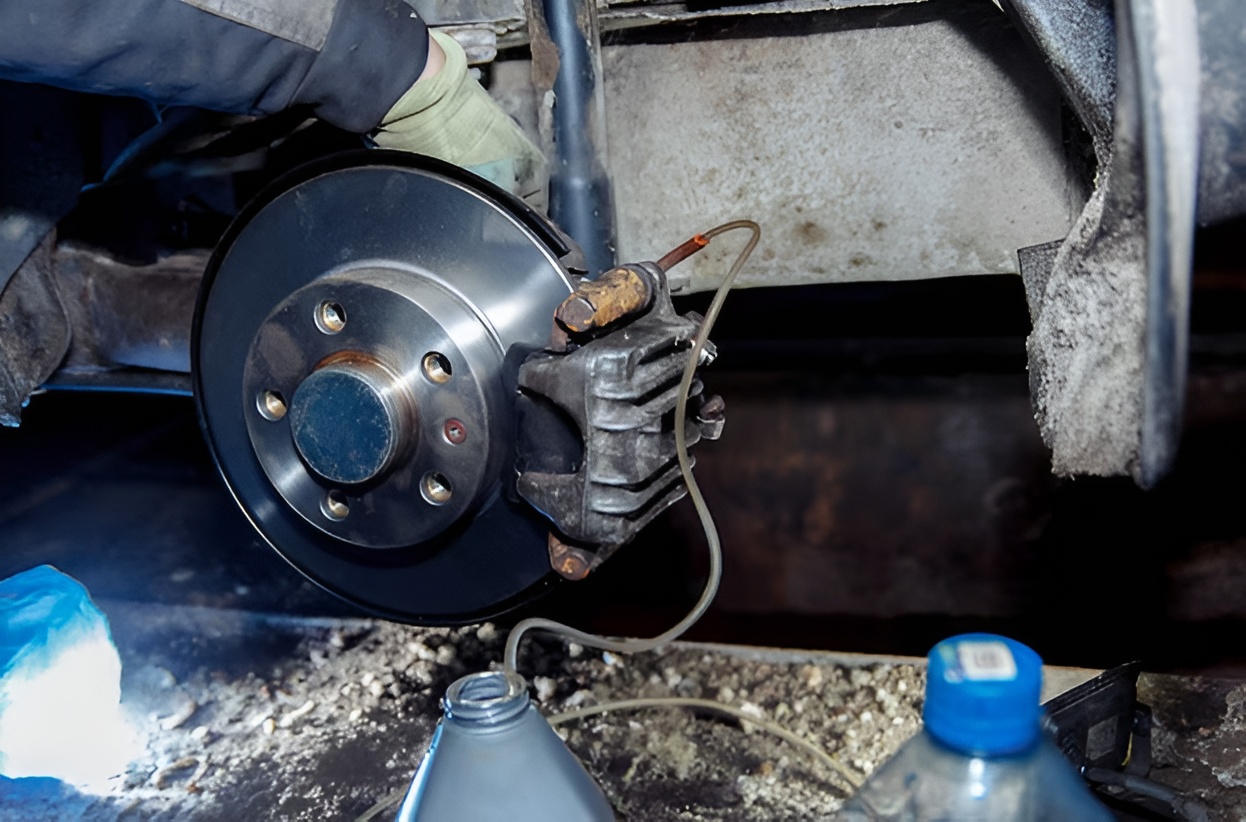
If you’re mechanically inclined, you might be tempted to try bleeding brakes at home. DIY brake bleeding kits are readily available, and online tutorials make the process appear straightforward. The basic steps include:
- Lifting the car safely and accessing the bleeder valves.
- Filling the brake fluid reservoir with the recommended type.
- Opening the bleeder valve while pressing the brake pedal to expel air.
- Repeat the process on each wheel in the correct order.
While it seems simple, DIY brake bleeding comes with some challenges. If air remains in the system, you could experience inconsistent braking or even complete brake failure. Moreover, incorrect fluid handling can damage seals or contaminate the system. Unless you’re experienced and have the right tools, there’s a risk of doing more harm than good.
Professional Brake Bleeding — Why It’s Worth It
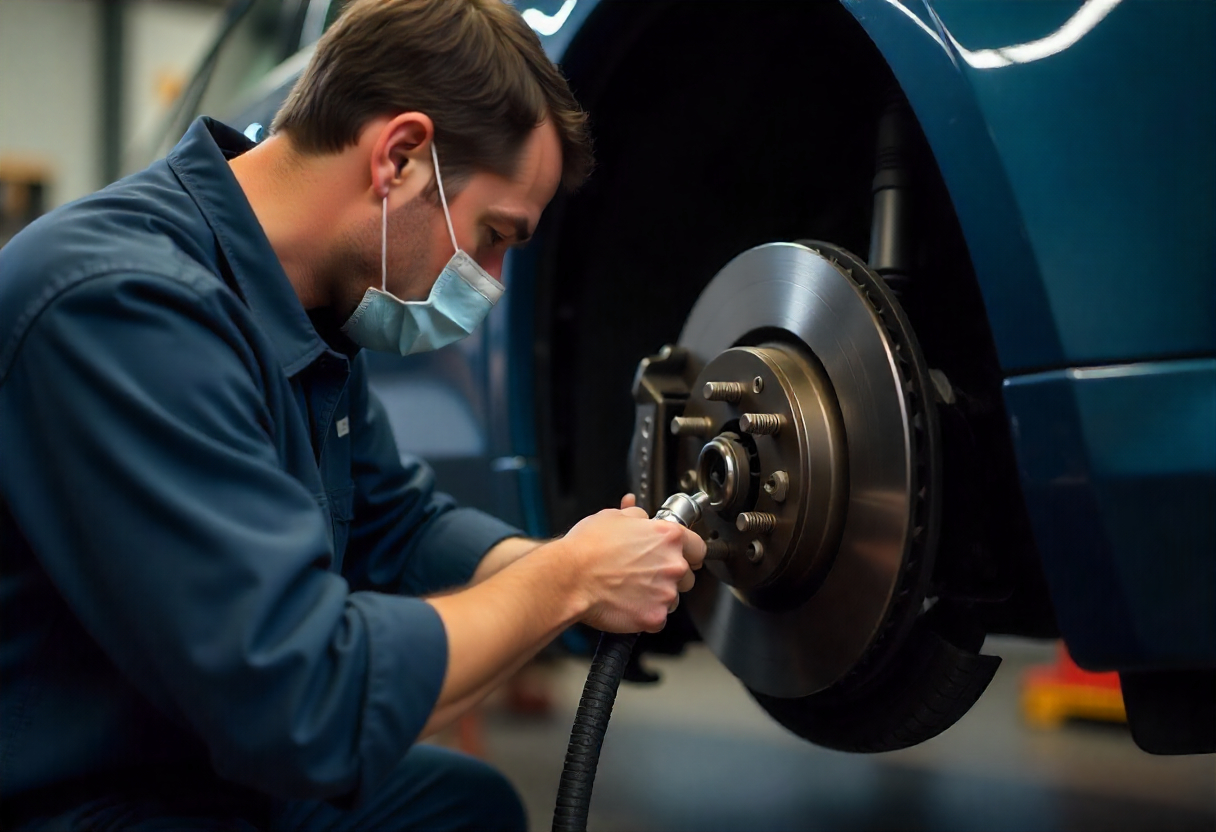
Choosing professional brake and clutch services ensures the job is done right the first time. Qualified technicians use advanced vacuum and pressure bleeding systems to remove air efficiently, ensuring your brakes perform at factory standards. Professionals also inspect the entire brake system, hoses, callipers, cylinders, and fluid condition to identify any hidden issues.
At a trusted local workshop like Warringah Brake & Clutch Centre, technicians use manufacturer-approved fluids and follow exact specifications, ensuring safe, long-lasting results. For residents of the Northern Beaches, this means dependable stopping power even in stop-and-go coastal traffic or steep downhill drives.
Key Differences Between DIY and Professional Brake Bleeding
| Aspect | DIY Brake Bleeding | Professional Brake Bleeding |
| Tools Required | Basic kit, wrench, tubing | Pressure/vacuum systems |
| Accuracy | Dependent on skill level | Precise and efficient |
| Safety | Higher risk if done wrong | Guaranteed performance |
| Cost | Cheaper upfront | Better long-term value |
| Inspection | Limited | Full brake system check |
While DIY may seem economical, professional servicing provides better reliability, improved safety, and peace of mind, especially for vehicles used daily in urban or high-traffic areas.
Signs Your Brakes Need Bleeding
- The brake pedal feels soft or goes too close to the floor.
- You hear squealing or grinding noises while braking.
- The brake fluid looks dirty or milky.
- The car takes longer to stop than usual.
- You notice fluid leaks near the wheels.
If you experience any of these symptoms, it’s time for a brake inspection. Prompt maintenance prevents expensive repairs and ensures consistent braking performance.
Frequently Asked Questions
