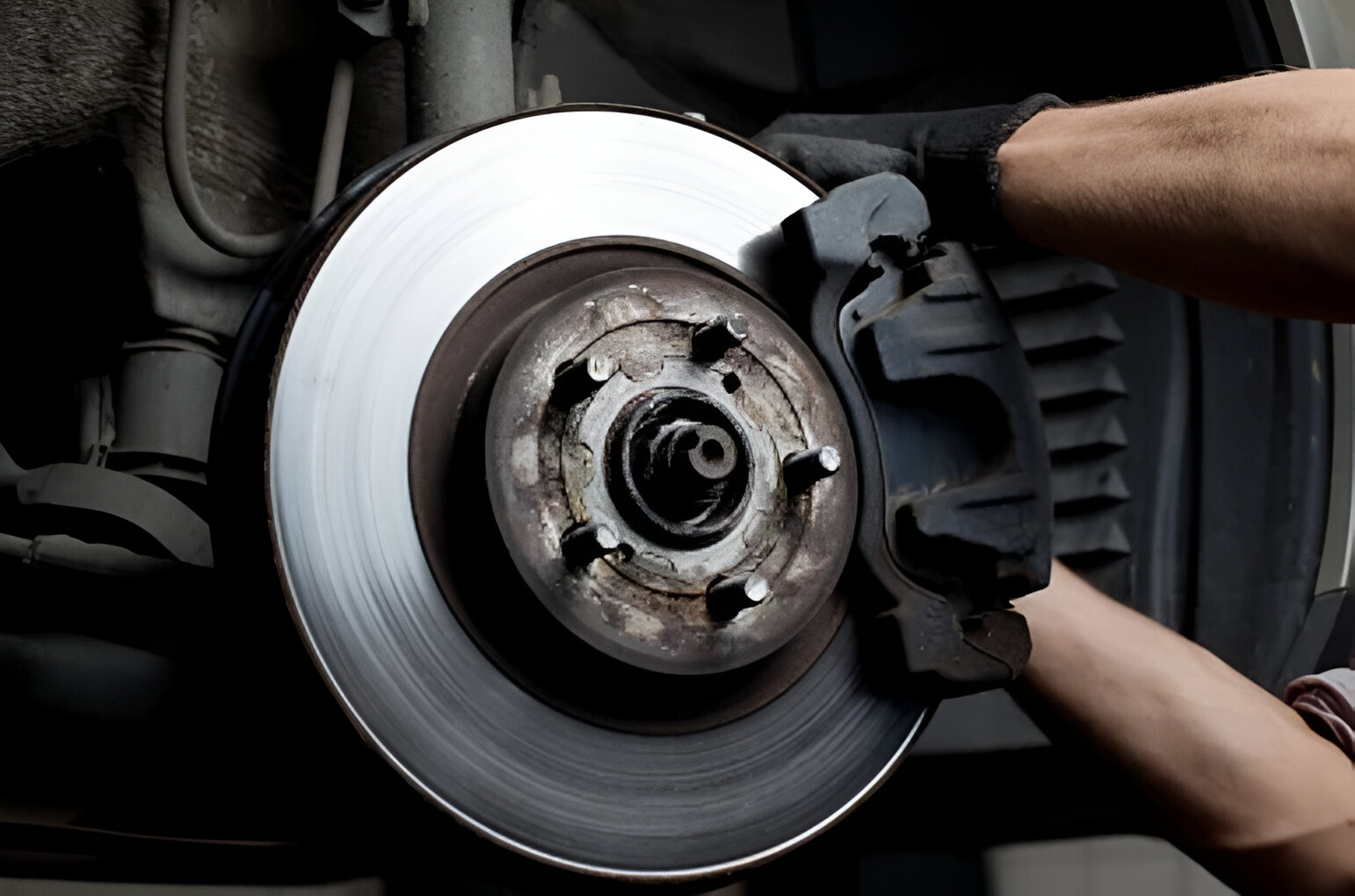
When it comes to safety, nothing is more important than choosing quality brake pads and rotors for your vehicle. Whether you drive daily through Brookvale, hit the Northern Beaches roads on weekends, or rely on your car for work, your braking system needs trusted components that perform well under all conditions. The right pads and rotors ensure shorter stopping distances, better heat resistance, and longer lifespan, which means saving money and staying safer on the road.
This guide walks you through how workshops assess brake components, what makes the best quality brake pads, the importance of matching rotors to your driving style, and how to ensure your workshop is using reputable brands and the correct specifications.
Why Quality Brake Pads Matter
Your brake system relies on friction, heat, and pressure. Premium brake pads provide consistent stopping power, quieter braking, and less dust. Poor-quality pads can overheat quickly, glaze, wear unevenly, or even damage your rotors, which leads to costly repairs.
Workshops that specialise in brake pads and rotors know that the material composition plays a major role. Options include ceramic, semi-metallic, and organic formulations. Each offers different benefits, but all reputable pads undergo rigorous testing to meet Australian standards.
When your workshop prioritises premium components, you’ll notice improved pedal feel, smoother braking, and a more controlled stop, especially in emergencies.
Types of Brake Pads & Their Benefits
Ceramic Pads
Ceramic brake pads are known for producing less dust and offering smoother, quieter braking. They are ideal for everyday driving and provide excellent longevity, making them a favourite among drivers seeking the best quality brake pads for urban use.
Semi-Metallic Pads
These pads contain metal fibres that offer robust stopping power, especially under high heat. They’re recommended for heavier vehicles, 4WDs, and performance driving.
Organic Pads
Made from materials like rubber, glass, and resins, organic pads are budget-friendly and gentle on rotors. They’re quieter but wear faster, making them more suitable for low-kilometre drivers.
Choosing the Right Rotors for Your Vehicle
Your brake pads must be matched with quality rotors. Rotors disperse heat during braking, and the wrong type can lead to warping, vibration, or excessive wear.
Standard Rotors
Ideal for everyday commuting, offering smooth and consistent braking performance.
Slotted Rotors
Designed for improved heat dissipation and better braking under heavy loads or repeated stops.
Drilled Rotors
Suitable for performance driving and vehicles that generate more heat during braking.
Your workshop should always explain why a particular rotor type is being used. If you’re booking brake and clutch services in Brookvale, ask for the rotor specifications suitable for your vehicle and driving habits.
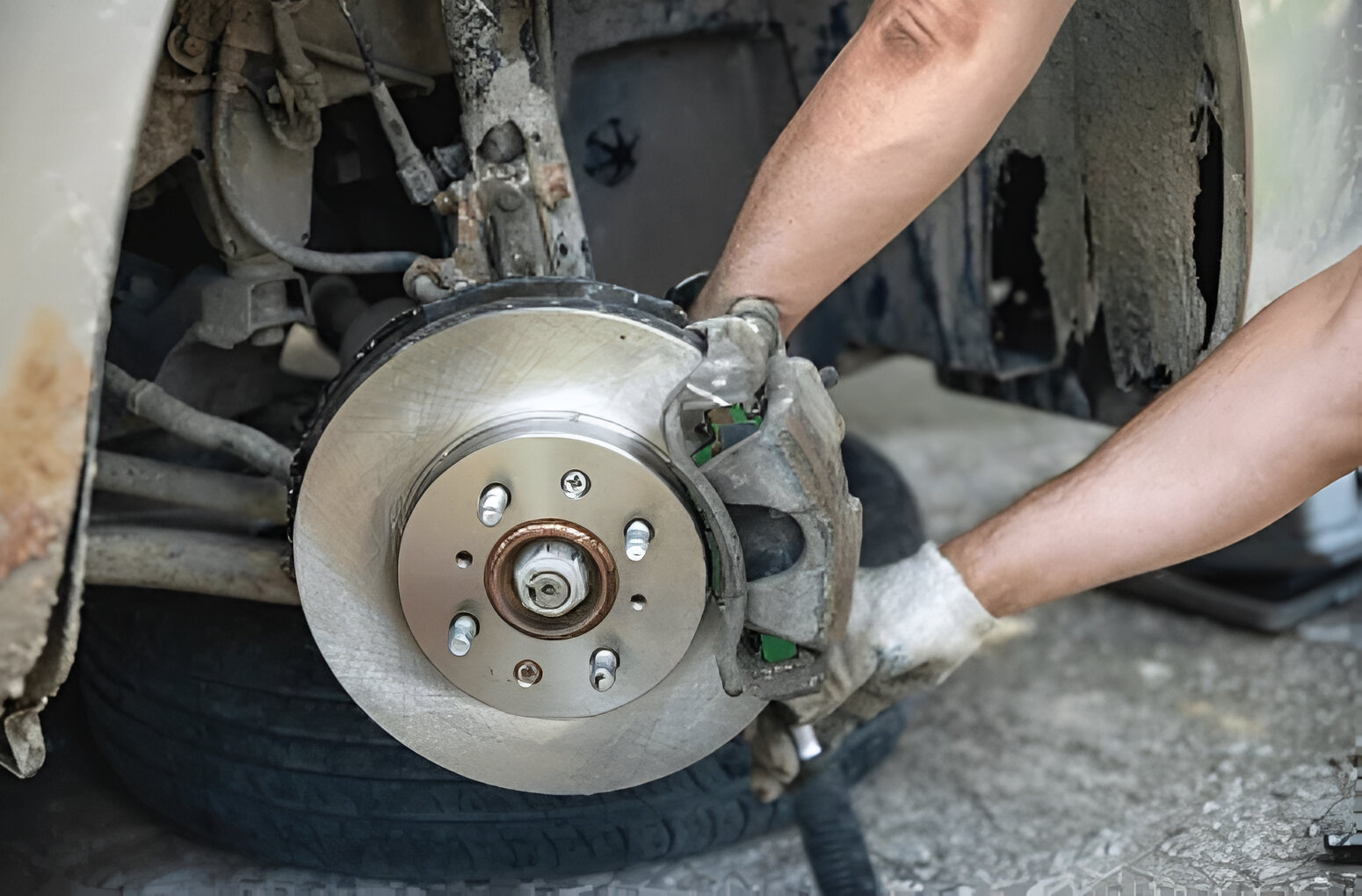
How Quality Workshops Choose Brake Pads & Rotors
A trusted workshop doesn’t pick parts randomly. Their choices are based on:
1. Vehicle Requirements
Model, weight, engine type, and manufacturer recommendations.
2. Driving Conditions
Stop-start urban driving, steep hills, towing, and long highway trips.
3. Brand Reliability
Quality workshops use tested and proven brands such as Bendix, Brembo, RDA, DBA, and Bosch.
4. Heat and Load Ratings
Premium pads and rotors must manage heat and friction consistently.
5. Compatibility
The pad and rotor combination must work together harmoniously for optimal braking.
If your workshop is unclear about the brands or specs they use, that’s a red flag. Transparency is crucial when it comes to safety components.
Signs Your Brake Pads or Rotors Need Replacing
Even the best quality brake pads wear out. Look for:
- Squealing or grinding sounds
- Longer stopping distances
- Vibration when braking
- Burning smell during heavy braking
- Brake warning light
- Pulling to one side
Early replacement prevents rotor damage and improves road safety.
Frequently Asked Questions
