Hydraulic systems play a critical role in vehicle performance, especially in modern suspension, steering, and braking components. When these systems lose pressure, leak fluid, or fail to operate smoothly, safety and drivability can quickly be compromised. That’s where a hydraulic cylinder overhaul becomes essential. Understanding when an overhaul is required and how the process works helps vehicle owners make informed decisions about maintenance, car servicing, and long-term repair costs.
In Sydney, where many drivers rely on their vehicles daily for work and commuting, staying on top of hydraulic maintenance is vital. A well-maintained hydraulic system ensures consistent braking performance, safe steering control, and reliable operation under load.
When a Hydraulic Cylinder Overhaul Is Needed
A hydraulic cylinder uses seals, pistons, and pressurised fluid to create force. Over time, these internal components wear out due to heat, contamination, friction, and constant pressure cycles. When performance declines, a hydraulic cylinder overhaul becomes the safest and most cost-effective solution.
Here are the common signs your cylinder needs attention:
Fluid Leaks
The most obvious indicator is hydraulic oil seeping from the rod, gland, or end caps. Even minor leaks reduce pressure and can quickly worsen, affecting critical systems.
Loss of Power or Slow Operation
If your steering or hydraulic-assisted components feel weak or respond slowly, internal wear could be causing pressure loss.
Excessive Noise
Whining, knocking, or hissing noises often occur when air enters the system or seals start to fail.
Visible Rod Damage
Scratches, scoring, or bending on the cylinder rod lead to seal wear, fluid loss, and eventual failure.
Irregular Movement
If a hydraulic component shudders, drops suddenly, or moves inconsistently, internal seals or pistons may be worn.
Ignoring early warning signs increases repair costs and can affect essential functions such as brakes and steering. Getting the cylinder inspected during routine car servicing ensures problems are caught early.
What the Hydraulic Cylinder Overhaul Process Involves
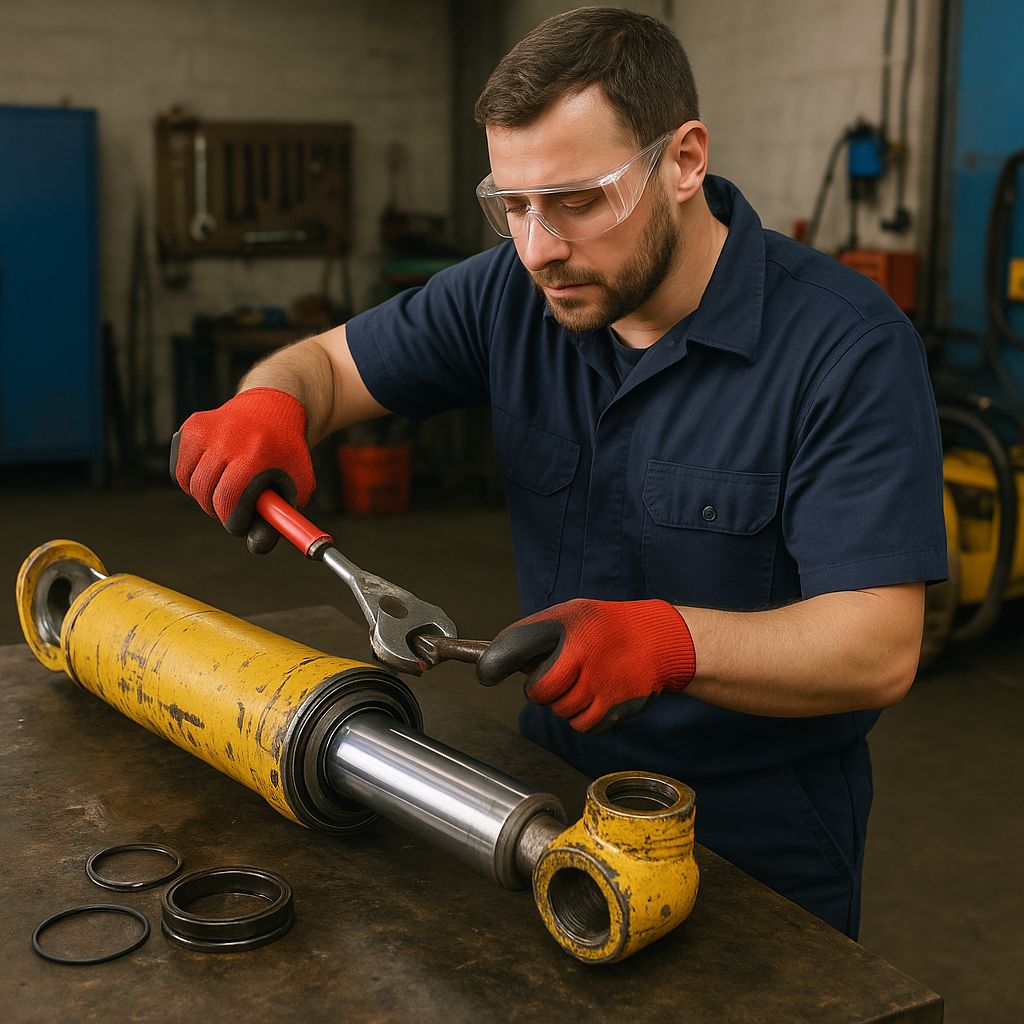
An overhaul is more than a quick repair. It’s a complete restoration process designed to return the cylinder to optimal performance while extending its lifespan. At Warringah Brake and Clutch Centre, every overhaul follows a precise and proven procedure.
1. Disassembly and Inspection
The cylinder is dismantled carefully so each internal component can be examined. Rods, barrels, seals, and pistons are checked for wear, corrosion, distortion, and scoring. This step helps identify whether a full rebuild or a simple reseal is required.
2. Cleaning and Surface Preparation
All parts are thoroughly cleaned to remove contaminants, old fluid, and debris that could affect operation. Any burrs or imperfections are corrected to ensure smooth performance.
3. Seal and Component Replacement
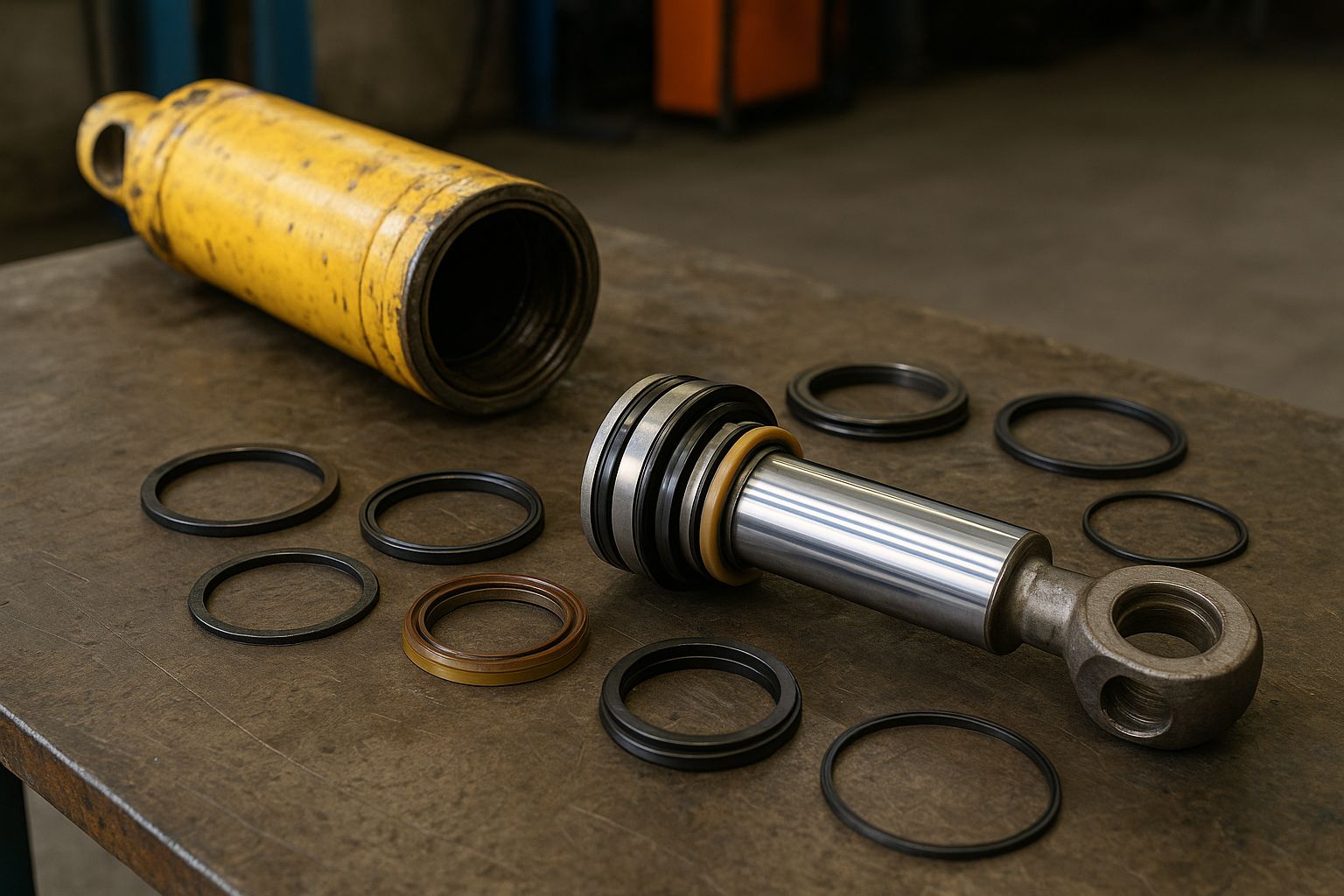
A full overhaul typically includes a new seal kit, replacement of worn pistons or rods, and the installation of upgraded components where needed. If the job requires a reseal hydraulic cylinder service only, the focus is on restoring proper sealing surfaces without replacing major parts.
4. Machining and Reconditioning
If the rod or barrel has damage, professional machining restores straightness, smoothness, and correct tolerances. This step prevents future leaks and ensures long-term reliability.
5. Reassembly and Testing
The cylinder is rebuilt using strict torque and assembly specifications. Once complete, it undergoes a pressure test to confirm that there are no leaks and that it performs at factory standards.
6. Final Quality Check
Before returning the vehicle to the customer, the team performs a final inspection to ensure the system operates safely and smoothly under all conditions.
A proper overhaul not only fixes immediate faults but also extends the lifespan of hydraulic components, preventing further damage to brakes, steering, or suspension systems.
Benefits of a Professional Hydraulic Cylinder Overhaul
Choosing a specialised workshop to perform an overhaul ensures precision, safety, and performance. Key advantages include:
- Restores proper hydraulic pressure and performance
- Eliminates leaks and prevents future fluid loss
- Improves safety in braking and steering systems
- Extends the lifespan of hydraulic components
- Reduces long-term repair costs
- Ensures the system meets manufacturer specifications
Working with a team that specialises in hydraulic repairs gives you confidence that the job is completed to the highest standard.
Frequently Asked Questions
