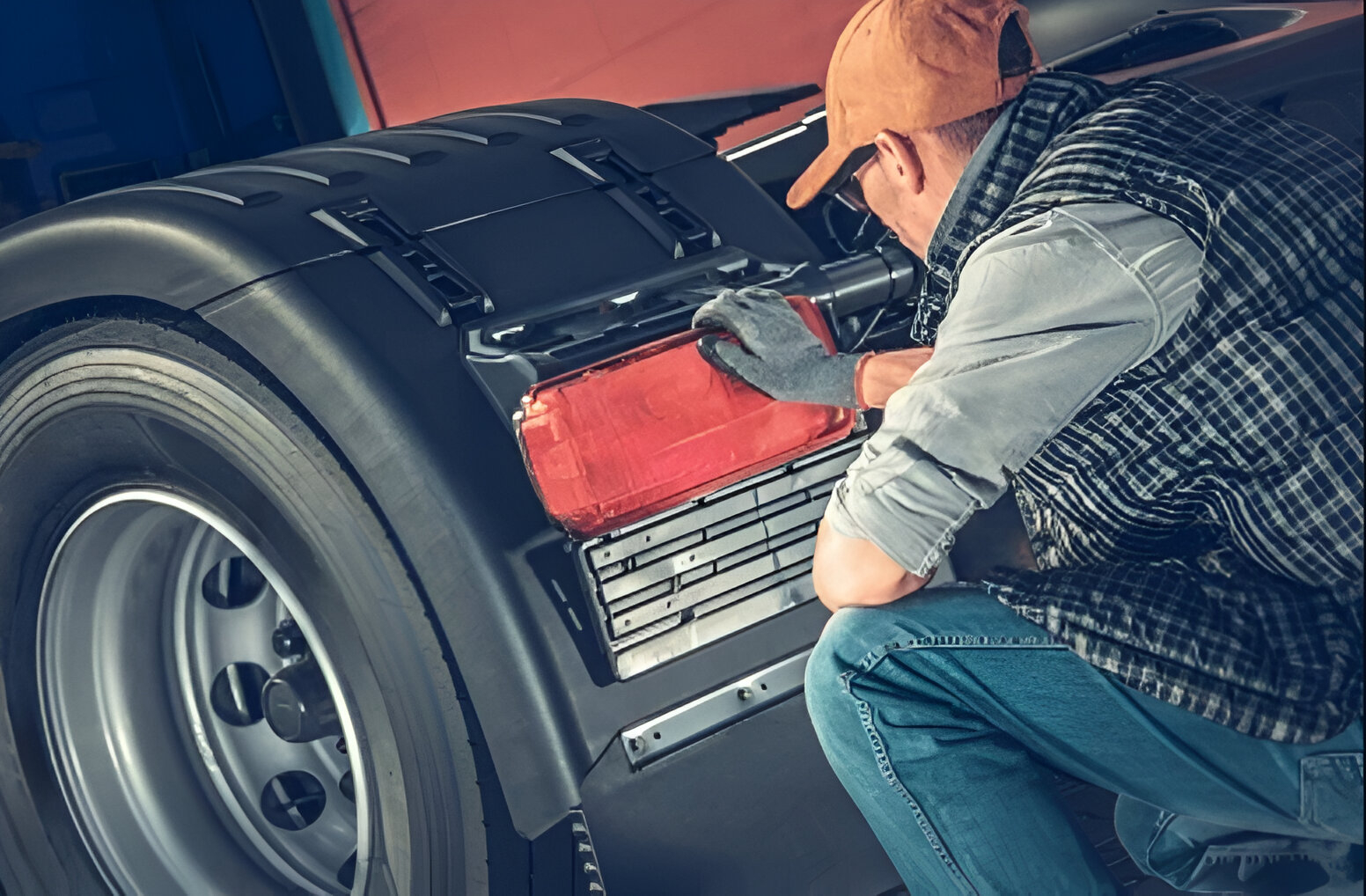
Heavy vehicles operate under high loads, long travel distances, and strict road-safety regulations. To ensure these vehicles remain compliant and safe, the heavy vehicle HVAIS inspection plays a crucial role. HVAIS (Heavy Vehicle Authorised Inspection Scheme) applies to trucks, buses, trailers, and other large commercial vehicles that require periodic assessment to verify roadworthiness in New South Wales.
For operators and fleet managers in Sydney, understanding what happens during this inspection ensures your vehicle passes the first time and avoids unplanned downtime. Whether you run a single truck or a large fleet, staying on top of inspection requirements protects your business, drivers, and other road users.
What Is a Heavy Vehicle HVAIS Inspection?
A heavy vehicle HVAIS inspection is an authorised assessment carried out by licensed examiners to verify that a heavy vehicle meets NSW roadworthiness standards. This authorised process forms a key part of broader NSW heavy vehicle inspection requirements, ensuring all commercial vehicles meet safety and engineering standards. Unlike a standard pink slip, HVAIS covers a much deeper and more technical inspection process. It is often required for:
- Annual registration
- Defect clearance
- Vehicle modifications
- Vehicle transfers
- Fleet compliance management
Choosing reliable HVAIS inspection services in Brookvale ensures your vehicle is assessed thoroughly and in line with RMS/Transport for NSW regulations.
Step-by-Step: What Happens During the Inspection?
A full HVAIS inspection follows strict procedures to ensure the vehicle complies with safety and performance standards. Below is a clear breakdown of what the process involves.
Step 1: Vehicle Identification and Documentation
Inspectors begin by verifying the vehicle’s VIN, engine number, registration details, and compliance plates. Any inconsistencies must be resolved before the inspection continues.
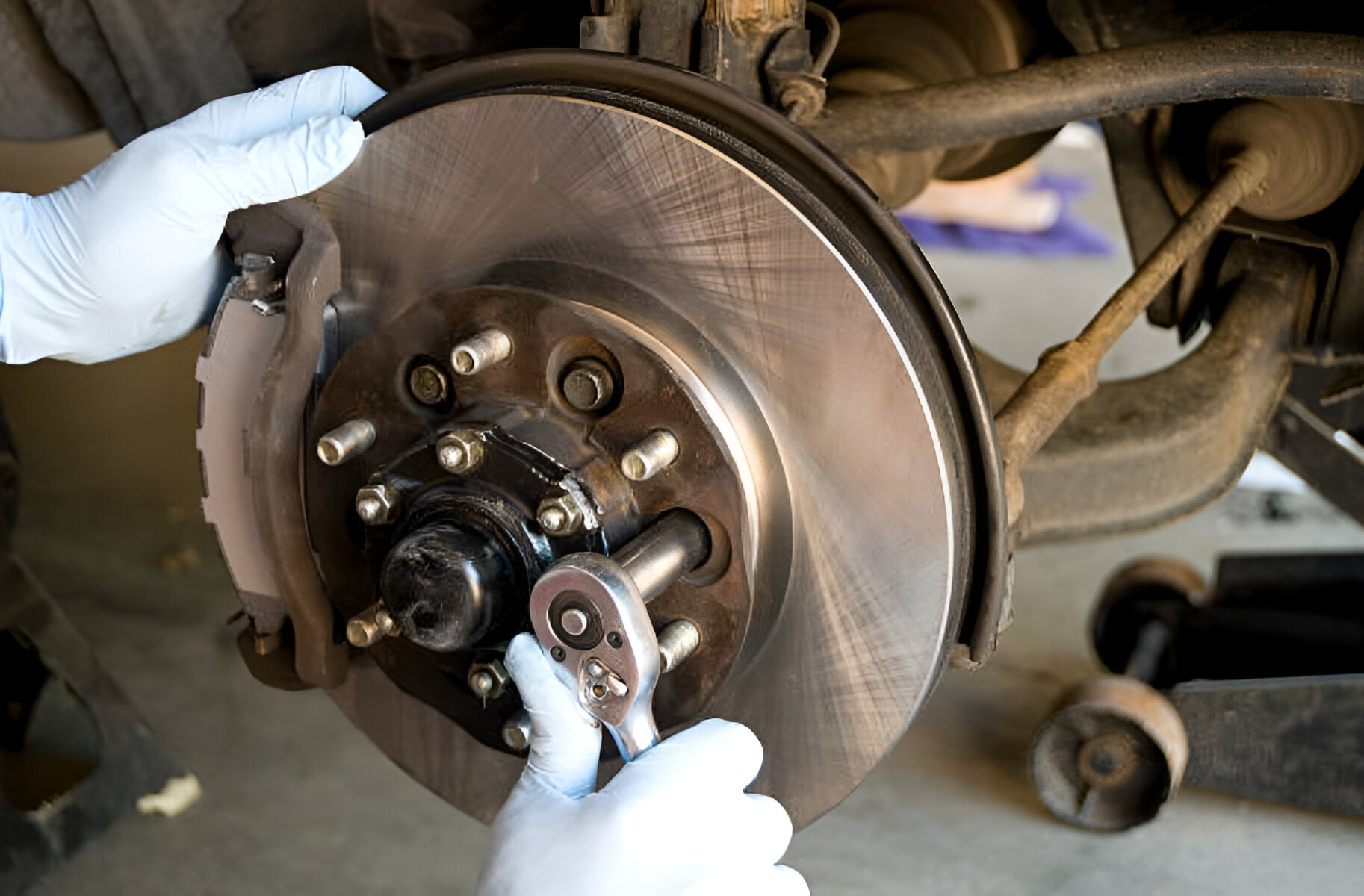
Step 2: Brake System Examination
Brakes are one of the most critical components assessed during the inspection. Examiners check:
- Brake lining thickness
- Brake response and balance
- Hydraulic and pneumatic components
- Air compressor functionality
- Brake hoses, pipes, and valves
Any leaks, corrosion, or imbalance can result in a failed inspection.
Step 3: Steering and Suspension Check
To ensure safe handling under heavy loads, the inspection includes testing:
- Steering play and alignment
- Power steering performance
- Shock absorbers
- Springs and suspension bushings
- Kingpins, ball joints, and mounts
Wear in any of these areas can compromise vehicle stability.
Step 4: Lighting and Electrical Testing
The inspection verifies that all electrical and lighting systems operate correctly. This includes:
- Headlights
- Clearance and indicator lights
- Brake lights
- Reflectors
- Electrical wiring and connections
Faulty lighting is a common cause of non-compliance.
Step 5: Wheels, Tyres and Rims
Tyre condition directly affects braking distance and load management. Inspectors assess:
- Tread depth
- Tyre pressure
- Sidewall damage
- Rim integrity
- Wheel nuts and stud condition
Any signs of damage or uneven wear will need attention before a pass is granted.
Step 6: Chassis, Frame, and Body Condition
Structural integrity is vital for heavy-duty vehicles. The inspection covers:
- Chassis alignment
- Rust, cracks, or weld issues
- Subframe condition
- Body mounts and accessories
This ensures the vehicle can safely carry loads without structural risk.
Step 7: Engine, Exhaust, and Driveline
Inspectors also assess mechanical performance and emissions compliance, including:
- Engine mounts and leaks
- Exhaust smoke and emissions
- Drive shafts, unijoints, and differentials
- Transmission performance
A well-maintained engine not only improves safety but also reduces operating costs.
Step 8: Final Roadworthiness Decision
Once every component has been inspected, the examiner determines whether the vehicle:
- Passes inspection
- Requires repairs
- Needs reinspection
A passed inspection allows the vehicle to complete registration or defect clearance. This final assessment confirms whether the vehicle passes or requires repairs as part of an authorised heavy vehicle safety inspection carried out under the HVAIS program.
Why HVAIS Compliance Matters
- Ensures legal road use
- Reduces operational risks
- Helps prevent breakdowns and accidents
- Improves long-term vehicle performance
- Supports safe fleet management
Investing in professional HVAIS inspection services protects both your drivers and your business reputation. If you’re unsure whether your vehicle meets NSW standards, speak with our authorised inspectors for guidance.
Frequently Asked Questions
