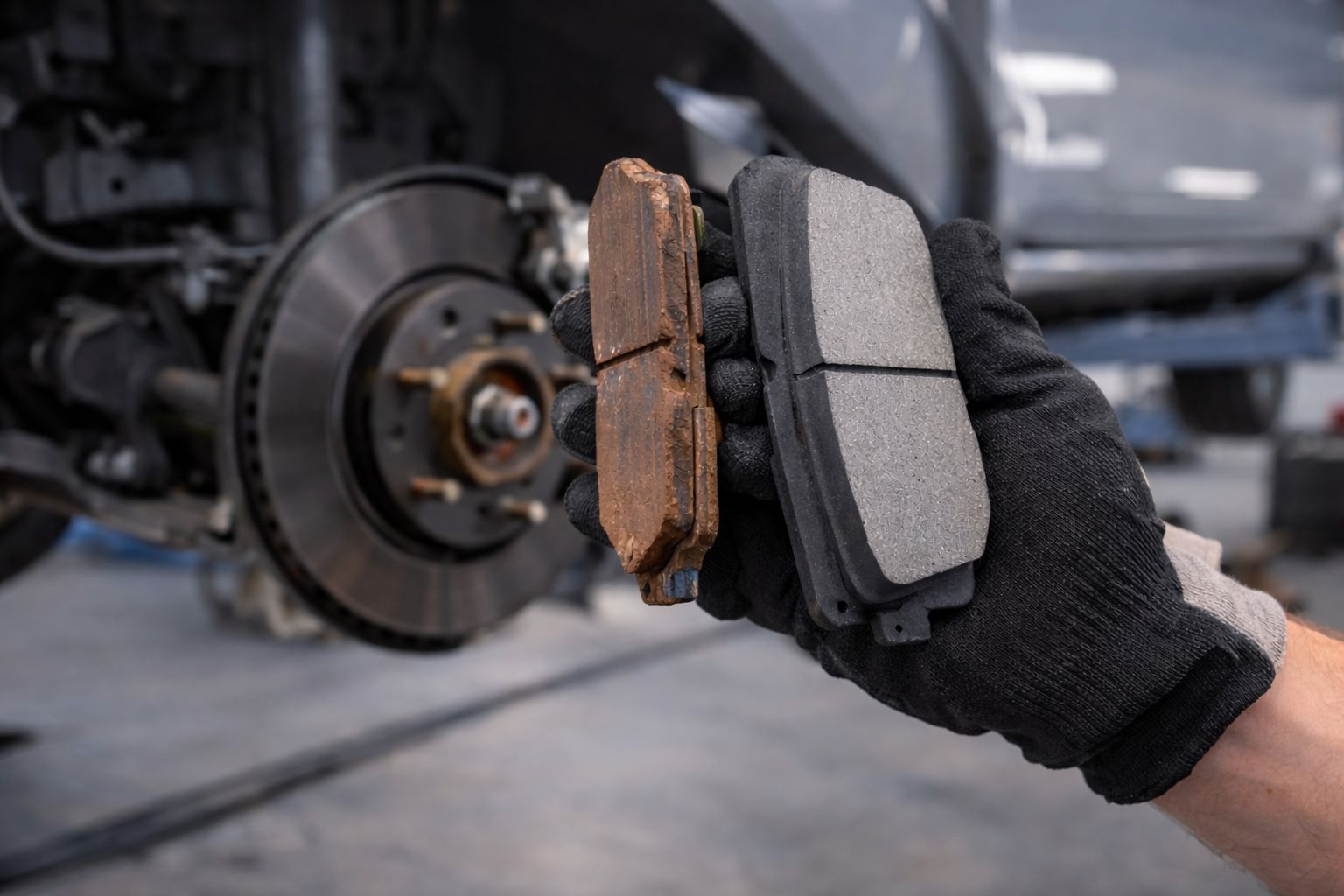
Brake pads are one of the most important safety components in your vehicle, yet they are often overlooked until a problem becomes obvious. Many drivers ask how often they should replace their brake pads and related braking components, but the answer depends on several factors, including driving habits, vehicle type, and road conditions. For Sydney drivers dealing with stop-start traffic, hills, and frequent short trips, brake pad wear can occur faster than expected.
Understanding replacement intervals, warning signs, and cost considerations helps you stay safe and avoid expensive brake repairs in the future.
How Often Should Brake Pads Be Replaced?
As a general guideline, most brake pads last between 30,000 and 70,000 kilometres. This range varies depending on your driving habits and conditions.
Frequent city driving, heavy braking, towing, and aggressive driving styles will shorten pad life. Highway driving with gradual braking usually allows pads to last longer. This is why regular inspections during routine car servicing are essential.
Instead of just tracking kilometres, monitor how your brakes perform and get them inspected regularly by professionals.
Key Signs Your Brake Pads Need Replacing
Knowing the warning signs allows you to act before brake damage spreads to rotors or calipers.
Squealing or Grinding Noises
High-pitched squealing often indicates worn pads, while grinding suggests the pads are completely worn, and metal is contacting metal — a serious safety risk.
Longer Stopping Distances
If your car takes longer to stop than usual, worn brake pads may be reducing braking efficiency.
Brake Warning Light
Many modern vehicles include brake pad wear sensors. If the warning light appears, inspection should be immediate.
Vibration When Braking
Shuddering or vibration through the brake pedal or steering wheel can indicate uneven pad wear or damaged rotors.
Thin Brake Pads
During car servicing, a visual inspection can reveal pad thickness. Most pads should be replaced once they reach around 3 mm.
What Affects Brake Pad Lifespan?
Several factors affect brake pad lifespan:
- Stop-start city driving
- Vehicle weight and load
- Driving style
- Towing trailers or caravans
- Quality of brake pad material
- Condition of calipers and rotors
Sydney’s stop-start traffic accelerates brake wear, making regular inspections essential.
Brake Pad Replacement Costs in Sydney
The cost of replacing brake pads depends on your vehicle type, pad quality, and whether rotors also need attention, which is why inspections are the best way to get accurate advice.
On average:
- Standard replacement: Affordable and straightforward
- Premium pads: Higher upfront cost, but longer lifespan and quieter operation
- Delaying replacement: Risks rotor damage and significantly higher repair bills
Regular brake inspections during routine maintenance prevent costly repairs and ensure reliable stopping power.
Why Brake Pads Are a Safety Priority
Brake pads directly affect stopping distance, vehicle control, and driver confidence. Driving with worn pads increases the risk of accidents, particularly in wet conditions or emergency braking situations.
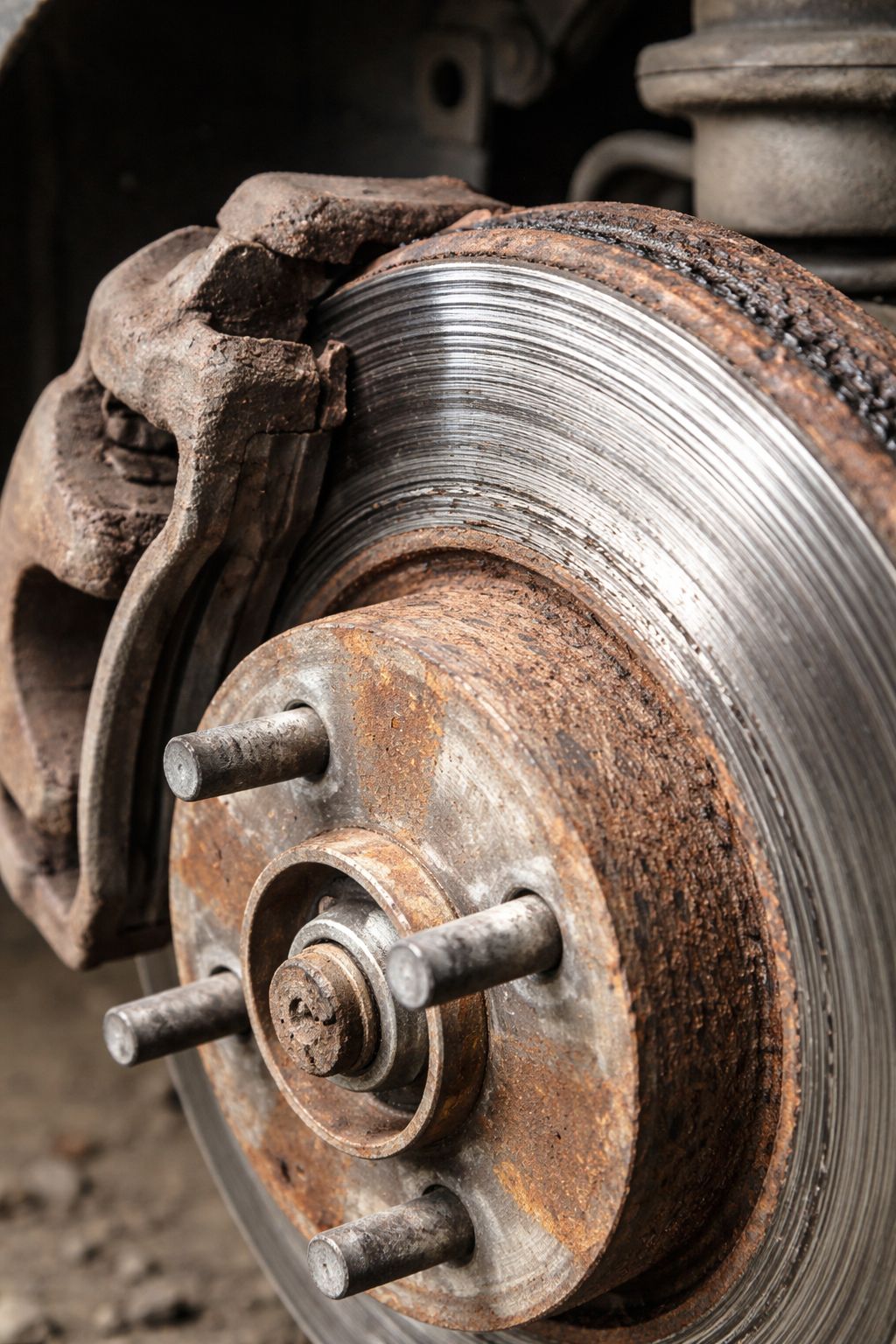
When the pad material wears too far, it can damage rotors, strain calipers, and compromise the entire braking system. Regular brake and clutch services help catch these issues early and keep your vehicle safe.
How Regular Servicing Extends Brake Life
Routine car servicing allows technicians to:
- Monitor pad thickness
- Identify uneven wear early
- Check brake fluid condition
- Inspect rotors and calipers
- Prevent minor issues from becoming major repairs
This proactive approach improves safety and reduces long-term maintenance costs.
Frequently Asked Questions
