Modern vehicles are designed with advanced safety systems, and one of the most important is ABS brakes. Short for Anti-lock Braking System, ABS is engineered to help drivers maintain steering control during sudden or heavy braking. Whether you’re driving through busy Sydney traffic or navigating wet coastal roads, understanding how this technology works can improve both your safety and confidence behind the wheel.
If your vehicle is equipped with ABS (and most cars built after the early 2000s are), it’s essential to understand how the system functions, the benefits it provides, and the warning signs that indicate it needs attention.
What Are ABS Brakes and How Do They Work?
ABS brakes are designed to prevent your wheels from locking during emergency braking. When you press the brake pedal firmly, wheel speed sensors monitor the rotation rate of each wheel. If the system detects that one or more wheels are about to lock, it rapidly pulses brake pressure to that wheel.
This pulsing action allows the tyres to maintain traction with the road surface while slowing the vehicle. Instead of skidding in a straight line, you retain the ability to steer and avoid obstacles.
You may feel a vibration or pulsing in the brake pedal when ABS activates. This is completely normal and indicates the system is working properly.
Key Benefits of Anti-Lock Braking Systems
Improved Steering Control
The primary advantage of ABS brakes is maintaining steering control during hard braking. This is particularly valuable on wet roads, gravel, or uneven surfaces.
Reduced Skidding
By preventing wheel lock-up, the system reduces the risk of uncontrolled skidding, especially during sudden stops.
Shorter Stopping Distance in Many Conditions
While stopping distance can vary depending on the surface, the system often improves braking performance on slippery roads by maintaining tyre grip.
Enhanced Safety in Emergencies
In high-pressure situations, the system helps drivers maintain control and reduce the likelihood of a collision.
Common ABS Problems to Watch For
Although anti-lock braking is a reliable system, it still requires proper maintenance as part of regular car servicing.
ABS Warning Light
If the ABS light appears on your dashboard, it indicates a fault within the system. The vehicle’s standard braking system may still function, but anti-lock protection could be disabled.
Faulty Wheel Speed Sensors
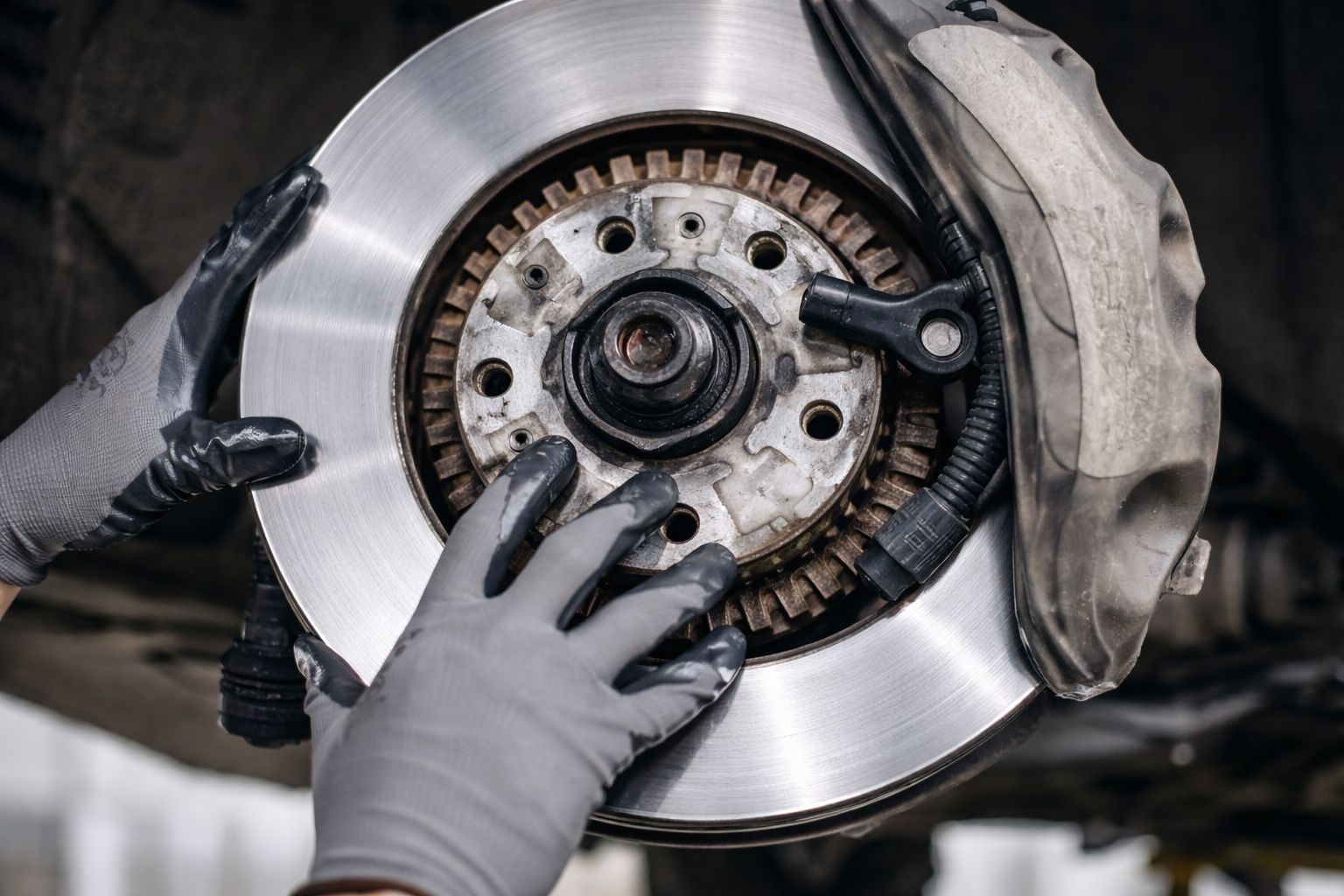
These sensors can become dirty, damaged, or misaligned, leading to incorrect readings.
Damaged ABS Module
The control module that regulates brake pressure can fail due to electrical issues or internal faults.
Brake Fluid Problems
Low or contaminated brake fluid can interfere with ABS operation.
Unusual Pedal Behaviour
Excessive vibration when not braking heavily or a soft pedal feel may indicate an underlying issue.
If you notice any of these signs, it’s important to have your vehicle inspected by professionals offering brake and clutch services and specialised diagnostic testing.
Why ABS Brake Maintenance Is Essential in Sydney
Sydney’s driving conditions can be unpredictable, from heavy traffic to sudden rainstorms. ABS brakes provide an additional layer of protection, but they must be maintained properly. Professional brake servicing ensures your ABS brakes continue operating safely and reliably.
Regular car servicing ensures:
- Brake fluid remains clean and at the correct level
- Sensors are functioning correctly
- Brake pads and rotors are in good condition
- Electronic systems are scanned for fault codes
During routine inspections or eSafety checks, your braking system is assessed to ensure it meets NSW road safety standards.
ABS vs Standard Brakes – What’s the Difference?
Traditional braking systems can cause the wheels to lock during sudden stops. Once locked, tyres lose traction, and the vehicle may skid.
ABS brakes prevent that lock-up, allowing you to maintain steering control while braking hard. The system doesn’t replace good driving habits, but it significantly improves vehicle stability during emergencies.
If your ABS warning light is on or your brakes feel unusual, book a professional inspection today.
Frequently Asked Questions
