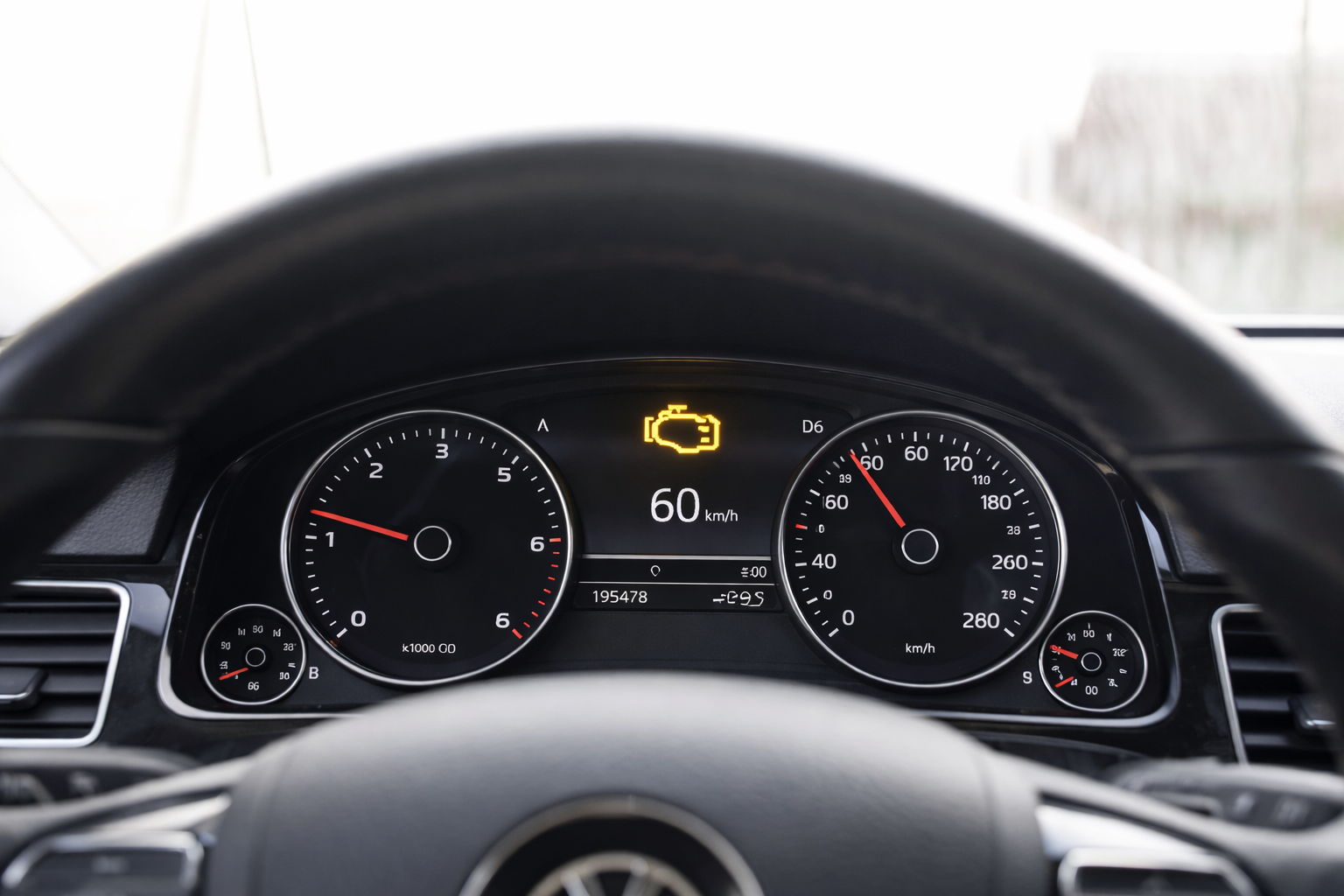
Few dashboard warnings cause more anxiety than the sudden appearance of the check engine light. Whether it flickers briefly or stays on constantly, this warning is your vehicle’s way of telling you something needs attention. For Sydney drivers navigating heavy traffic and long commutes, ignoring it can lead to expensive repairs or even roadside breakdowns.
Understanding what this warning means and when to act can save you time, money, and stress.
What Does the Check Engine Light Actually Mean?
The check engine light is part of your car’s engine management system, which continuously monitors vehicle performance. When a sensor detects a fault within the engine, fuel system, exhaust, or emissions system, it sends a signal to the vehicle’s computer. If the issue falls outside normal operating limits, the warning light activates.
The problem can range from something minor, such as a loose fuel cap, to something more serious, like ignition faults, sensor failure, or catalytic converter issues.
Common Reasons Your Check Engine Light Comes On
There are several common causes behind a check engine light, including:
Loose or Damaged Fuel Cap
A loose cap can affect the fuel system pressure and trigger the warning.
Faulty Oxygen Sensor
Oxygen sensors monitor exhaust gases and help regulate fuel efficiency. When they fail, performance and fuel economy suffer.
Spark Plug or Ignition Coil Problems
Misfiring spark plugs can cause rough running, reduced power, and increased fuel consumption.
Mass Air Flow Sensor Fault
This sensor controls air-fuel mixture. If it fails, the engine may run inefficiently.
Catalytic Converter Issues
A failing converter reduces emissions efficiency and can lead to costly repairs if not addressed early.
Because modern vehicles rely heavily on electronics, accurate diagnosis requires professional equipment and experience.
Is It Safe to Keep Driving?
If the check engine light is steady and your vehicle appears to drive normally, it may not be urgent, but it should still be checked soon. However, if the light is flashing, this usually indicates a serious engine misfire that could damage internal components.
In either case, it is safest to book professional diagnostics as part of comprehensive car servicing. Delaying inspection can cause minor faults to escalate into major mechanical repairs.
How a Professional Diagnosis Works
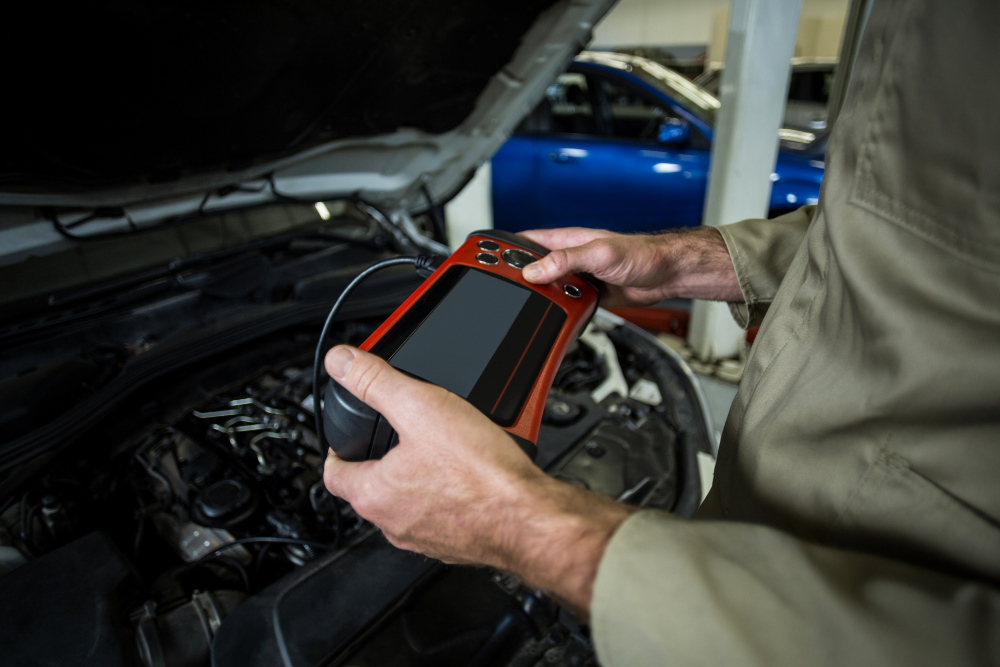
Modern workshops use advanced scan tools to read fault codes stored in your vehicle’s onboard diagnostic system (OBD). These codes provide insight into the system causing the problem, but further testing is often required to confirm the exact cause.
During inspection, technicians may:
- Scan the vehicle’s diagnostic system
- Check sensors and wiring
- Inspect ignition components
- Test fuel system performance
- Assess emissions systems
This thorough diagnostic process ensures the issue is identified correctly, rather than guessing and replacing parts unnecessarily.
Why Ignoring Engine Warnings Can Be Expensive
Many drivers assume the warning will disappear on its own. While it may occasionally reset temporarily, the underlying issue remains.
Left unchecked, engine faults can lead to:
- Reduced fuel efficiency
- Poor engine performance
- Increased emissions
- Failed eSafety checks
- Damage to expensive components
Regular car servicing, including engine diagnostics, helps prevent long-term damage and ensures your vehicle remains safe and compliant on Sydney roads.
Engine Warning Lights and Brake Safety
Although the check engine light is typically associated with engine performance, some faults can indirectly affect braking systems. For example, engine misfires can impact vacuum-assisted braking, and electrical faults may interfere with safety systems.
That’s why a comprehensive inspection will often extend to related systems, including brake and clutch services, when necessary.
Frequently Asked Questions
