If you’ve ever asked yourself, why does my steering wheel shake when I brake, you’re not alone. It’s one of the most common concerns drivers experience, especially in stop-start Sydney traffic. While a slight vibration may seem minor at first, it can signal underlying brake or suspension issues that should not be ignored.
Steering wheel vibration during braking often points to uneven braking force or wear within your vehicle’s brake and suspension system. Identifying the cause early can save you from costly repairs down the track and keep your vehicle safe.
The Most Common Causes of Steering Wheel Vibration When Braking
1. Warped Brake Rotors
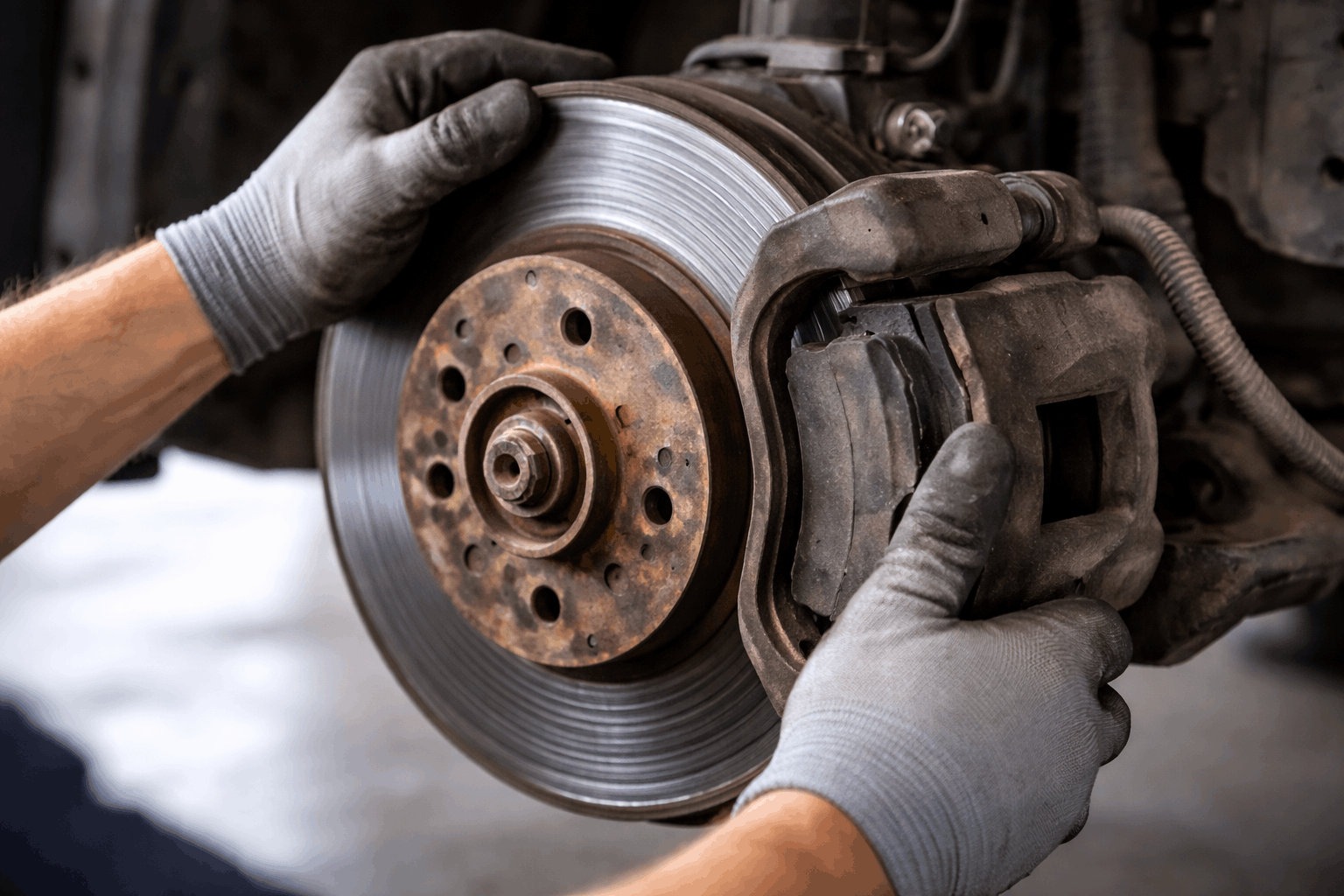
The most common reason drivers ask, why does my steering wheel shake when I brake, is warped or uneven brake rotors. Rotors can become distorted due to excessive heat, heavy braking, or worn brake pads.
When rotors are not perfectly smooth, the brake pads cannot make even contact. This uneven friction sends vibration through the steering column, which you’ll feel directly through the wheel.
Regular brake inspections and professional brake and clutch services help prevent rotor damage before it worsens.
2. Worn Brake Pads
Brake pads that are unevenly worn or contaminated can create irregular pressure during braking. This uneven force often results in shaking or pulsation through the steering wheel.
During routine car servicing, technicians inspect pad thickness and wear patterns to ensure smooth braking performance.
3. Suspension or Steering Component Wear
If your vehicle’s suspension components, such as control arms, bushings, or ball joints, are worn, they may amplify braking vibrations. In these cases, the shaking may feel more pronounced over bumps or at higher speeds.
Professional suspension inspections and specialised services can identify worn components that contribute to instability.
4. Wheel Alignment or Tyre Issues
Incorrect wheel alignment or unbalanced tyres can also cause vibration, particularly when braking from higher speeds. While alignment problems usually cause vibration while driving, they may worsen under braking load.
Wheel alignment checks are often included during comprehensive car servicing to ensure proper handling and tyre wear.
5. Sticking Brake Calipers
Brake calipers apply pressure to the pads. If a caliper becomes stuck or unevenly distributes force, it can create pulling or vibration sensations when braking.
Prompt inspection through brake and clutch services ensures calipers are functioning correctly and safely.
Is It Safe to Keep Driving?
If your steering wheel is shaking every time you brake, it’s important not to ignore it. While you may still be able to drive, ongoing vibration can lead to:
- Increased rotor damage
- Accelerated brake pad wear
- Reduced braking efficiency
- Additional suspension strain
In Sydney’s busy stop-start traffic, compromised braking performance significantly increases your risk of an accident.
Booking an inspection early prevents minor issues from becoming costly repairs.

How Mechanics Diagnose the Problem
To pinpoint the exact cause of the vibration, a qualified technician will carry out a thorough inspection that typically includes:
- Inspecting brake pads and rotors
- Measuring rotor runout and thickness
- Checking suspension components
- Assessing wheel alignment
- Testing caliper function
- Performing a road test
This structured diagnostic approach ensures the correct issue is identified rather than replacing parts unnecessarily.
Preventing Future Brake Vibration
The good news is that most brake vibration issues are preventable. Keeping on top of the following goes a long way:
- Avoiding harsh braking when possible
- Ensuring regular car servicing
- Replacing brake pads before they are excessively worn
- Addressing warning signs early
- Having suspension components checked periodically
Preventative maintenance is always more affordable than major repairs.
Frequently Asked Questions
