Modern car engines rely on precise timing to run smoothly. Two critical components responsible for maintaining this timing are the timing belt and the timing chain. If you have ever heard a mechanic mention timing belt vs timing chain, you might be wondering what the difference actually is and why it matters for your vehicle.
Understanding the difference between these two components can help you prevent serious engine damage, avoid costly repairs, and keep your vehicle running reliably. In this guide, we break down the differences in plain terms, explain how each system works, and outline the maintenance schedule every car owner needs to be across.
What Is Engine Timing?
Before we get into the comparison, it helps to understand what engine timing actually means. Inside your engine, the crankshaft and camshaft must rotate in perfect synchronisation. This timing ensures that:
- Intake valves open at the right moment
- Fuel and air enter the engine correctly
- Exhaust gases leave efficiently
If the timing becomes incorrect, the engine will not run properly and could suffer severe damage. The timing belt or timing chain keeps these components perfectly synchronised.
What Is a Timing Belt?
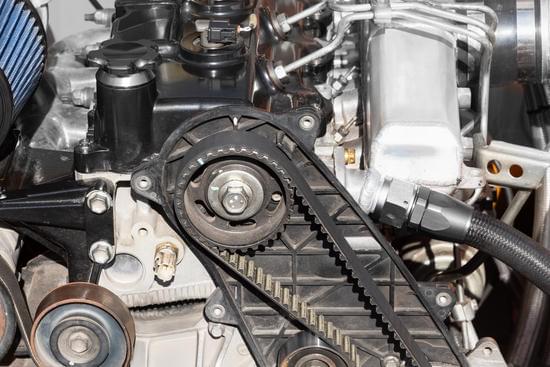
A timing belt is a toothed, reinforced rubber belt that connects the crankshaft to the camshaft, keeping the engine’s internal components rotating in perfect sync. Timing belts operate quietly and with minimal vibration, but because they are made from rubber, they degrade over time and need to be replaced in line with the manufacturer’s recommended service intervals.
Most manufacturers recommend replacing timing belts every 80,000 to 150,000 kilometres, depending on the vehicle. Regular car servicing ensures the timing belt is inspected and replaced before it fails.
What Is a Timing Chain?
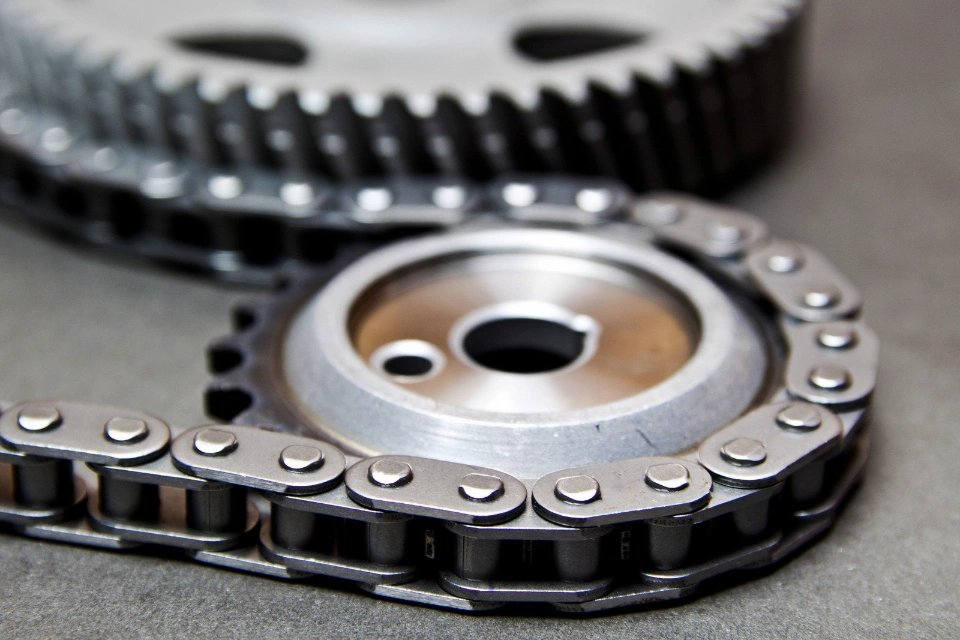
A timing chain performs the same job as a timing belt but is made of metal rather than rubber. It works similarly to a bicycle chain and is lubricated by engine oil. Timing chains are generally more durable and, in many cases, last the life of the engine. Most vehicles fitted with a timing chain do not require a scheduled replacement unless the chain becomes stretched or worn.
However, poor maintenance can still cause problems. Lack of oil changes or engine wear can lead to chain stretching or failure.
Timing Belt vs Timing Chain: Key Differences
The main differences between a timing belt and a timing chain come down to durability, maintenance requirements, and noise levels.
Material and Construction
Timing belts are made from rubber and reinforced fibres, while timing chains are constructed from metal links. Rubber belts are lighter and run more quietly, but metal chains are stronger, more rigid, and built to endure higher stress loads.
Maintenance Requirements
Timing belts require regular replacement according to the manufacturer’s maintenance schedule. Timing chains generally last longer but still require proper engine maintenance to prevent wear. Routine car servicing helps detect early signs of wear in either component.
Noise Levels
Timing belts operate quietly because they are made from rubber. Timing chains can produce more engine noise, particularly if they begin to wear.
Cost of Replacement
Timing belt replacement is usually less expensive but must be done more frequently. Timing chain replacement is typically more expensive due to the complexity of the repair, but it happens far less often.
Why Timing Belt Failure Is a Serious Problem
One of the key reasons to understand the differences between these two systems is the serious damage that timing belt failure can cause. If a timing belt snaps while the engine is running, the pistons and valves can collide, resulting in catastrophic engine damage, bent valves, or even full engine replacement. Preventative maintenance through scheduled car servicing helps avoid these situations.
Signs Your Timing Belt or Chain May Need Attention
Timing belts and timing chains often give little warning before they fail, but there are some signs worth watching out for.
Watch for:
- Engine misfiring
- Ticking or rattling noises from the engine
- Difficulty starting the vehicle
- Rough engine performance
- Oil leaks around the timing cover or cam seals
If you notice any of these symptoms, professional specialised services can inspect the timing system and diagnose the issue.
Why Oil Changes Are Important for Timing Chains
Timing chains rely on proper lubrication from engine oil. If oil changes are neglected, sludge can build up, damaging the chain or tensioner. Regular oil changes during routine car servicing help maintain timing chain longevity and prevent premature wear.
Which System Is Better?
Honestly, neither system is inherently superior to the other. Each design has advantages depending on the engine type and manufacturer. Timing belts are quieter and more efficient, while timing chains are more durable and require less frequent replacement.
The most important factor is following the maintenance schedule recommended by your vehicle manufacturer.
How Professional Mechanics Inspect Timing Systems
During routine vehicle maintenance, technicians may inspect timing components to ensure proper operation.
Professional inspections may include:
- Checking belt condition and tension
- Inspecting the timing chain stretch or wear
- Examining tensioners and pulleys
- Listening for abnormal engine noise
These inspections are often performed alongside brake and clutch services and general mechanical checks to ensure the vehicle remains safe and reliable.
Preventing Timing System Problems
Proper maintenance is the best way to avoid timing belt or timing chain failures.
Key preventative steps include:
- Following manufacturer replacement schedules
- Scheduling regular engine inspections
- Maintaining proper oil change intervals
- Addressing unusual engine noises promptly
Preventive maintenance helps ensure your engine runs smoothly for many years.
Frequently Asked Questions
