Travelling with a caravan is one of the most rewarding ways to explore Australia’s coastline, countryside, and national parks. Whether you’re heading north from Sydney for a weekend getaway or planning a long road trip across NSW, ensuring your caravan is road-ready is critical. Completing proper caravan safety checks before you hit the road helps prevent breakdowns, accidents, and costly repairs down the track.
Caravans place extra load on your vehicle and braking system, which means routine inspections are even more important than standard car servicing. A thorough pre-trip inspection ensures your caravan and tow vehicle operate safely and efficiently for the entire journey.
Why Caravan Safety Checks Are Important
Towing a caravan significantly changes the way your vehicle handles, accelerates, and brakes. Without routine towing vehicle inspections, issues such as worn brakes, tyre problems, or faulty lighting can quickly become dangerous on busy highways or rural roads.
Regular inspections help ensure:
- Safe braking and towing stability
- Reduced risk of tyre blowouts
- Proper electrical connections and lighting
- Compliance with road safety regulations
- Greater confidence and peace of mind on long-distance trips
Professional caravan servicing also helps detect minor issues before they develop into major mechanical problems or roadside breakdowns.
1. Inspect Caravan Brakes and Bearings
The braking system is one of the most critical components of any pre-trip caravan inspection. Caravan brake systems experience heavy loads, especially when travelling through hills or stopping suddenly.
During routine caravan safety checks, inspect:
- Brake pads and shoes
- Brake drums or rotors
- Electric brake controllers
- Wheel bearings
If your caravan’s braking feels uneven or noisy, professional brake and clutch services can diagnose and repair the issue before it affects your towing safety on the road.
2. Check Tyres and Tyre Pressure
Tyre failures are among the most common causes of caravan breakdowns. Caravan tyres often sit unused for months at a time, which can lead to cracking, flat spots, and gradual deterioration.
Key things to inspect include:
- Correct tyre pressure
- Cracks or sidewall damage
- Uneven tyre wear
- Spare tyre condition
Proper tyre pressure improves towing stability and fuel efficiency during long drives.
3. Test All Lights and Electrical Connections
Your caravan must have fully functioning lights to meet road safety requirements. Faulty lighting can also increase accident risk when driving at night or in poor weather.
Check the following:
- Brake lights
- Indicator lights
- Tail lights
- Reverse lights
- Electrical plug connections
If electrical issues arise, a qualified auto-electrician or caravan service technician can identify wiring faults and restore full functionality.
4. Inspect the Tow Hitch and Coupling
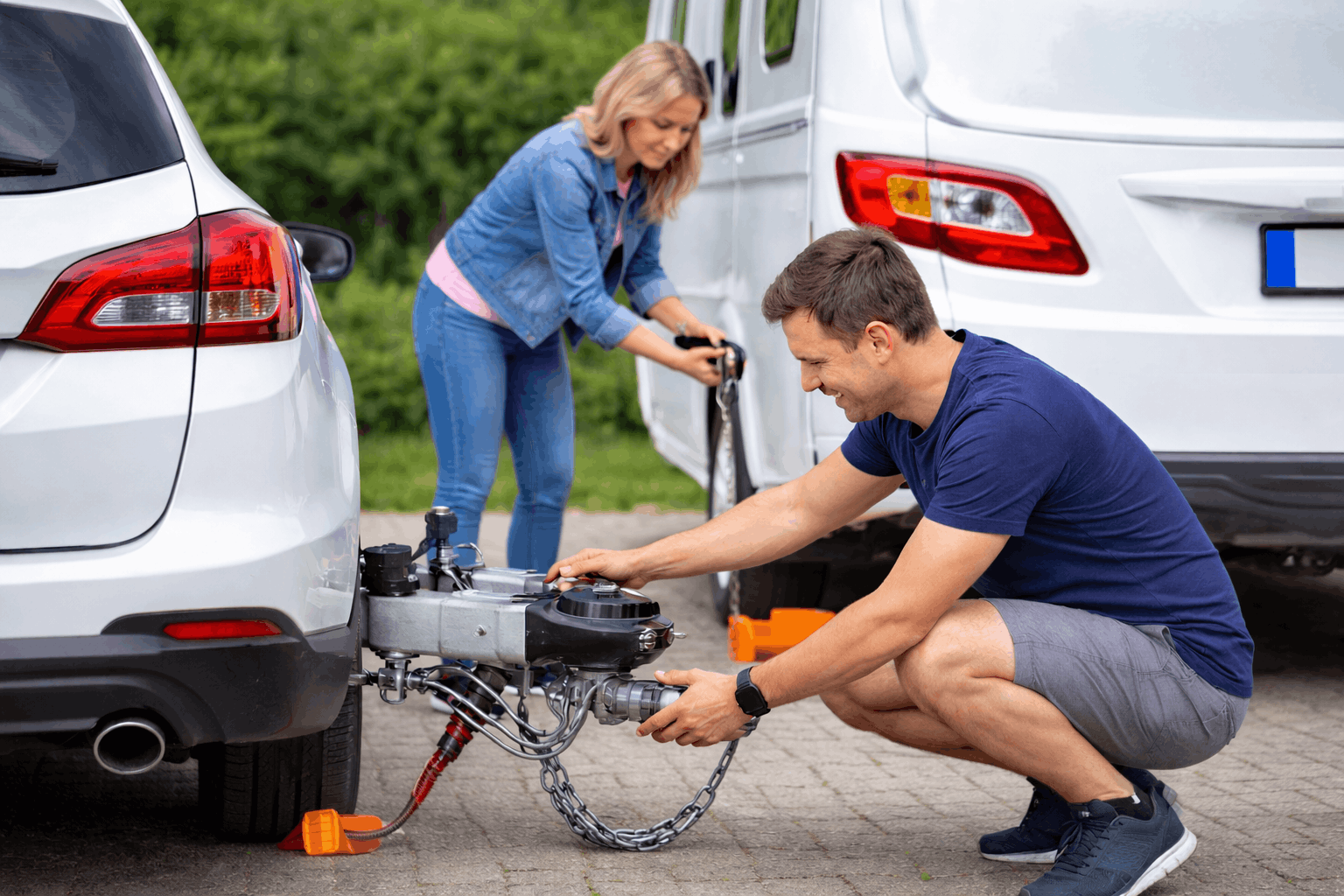
The tow hitch is the connection point between your vehicle and caravan. Any looseness or damage here can compromise towing safety.
During caravan safety checks, ensure:
- The coupling is secure and properly locked
- Safety chains are attached correctly
- The tow ball is not excessively worn
- Weight distribution is balanced
Even minor wear in the hitch assembly can cause dangerous instability, particularly at highway speeds.
5. Check Suspension and Chassis Components
Caravan suspension absorbs road shocks and maintains stability while towing. Worn suspension components can cause swaying or uneven tyre wear.
Look for:
- Damaged shock absorbers
- Loose suspension bolts
- Cracks in the chassis frame
- Signs of rust or structural fatigue
Routine caravan maintenance includes suspension inspections to keep your rig stable and road-worthy.

6. Inspect Gas and Water Systems
Caravans often include gas appliances, water tanks, and plumbing systems that should be inspected before travel.
Important checks include:
- Gas cylinder condition
- Secure gas fittings
- Water tank leaks
- Pump and plumbing operation
Ensuring these systems are functioning properly prevents inconvenience and potential safety hazards during your trip.
How Often Should You Service and Inspect Your Caravan?
Most mechanics recommend a full caravan inspection before every major trip and professional caravan servicing at least once a year. Regular inspections ensure your caravan remains safe, compliant, and ready for long journeys across NSW.
Combining inspections with routine car servicing for your towing vehicle ensures both systems work together safely on the road.
Frequently Asked Questions
