Your car’s braking system is one of the most vital safety components, yet many drivers overlook one key element: brake fluid. This often-forgotten fluid plays a crucial role in transferring pressure from your foot to the brake pads, allowing your vehicle to stop smoothly and efficiently.
At Warringah Brake & Clutch, we specialise in brake and clutch services and complete car servicing across the Northern Beaches, ensuring your vehicle performs at its safest and most reliable level.
What is Brake Fluid and Why is It Important?
Brake fluid is a hydraulic fluid that transfers the force applied on the brake pedal to the brake calipers, which in turn squeeze the brake pads against the rotors to slow the vehicle. It must operate under extreme temperatures and pressures without boiling or losing effectiveness.
When it becomes old or contaminated with moisture, air, or debris, it can reduce hydraulic pressure, causing spongy brakes, longer stopping distances, and even total brake failure.
How Often Should You Change Brake Fluid?
Most vehicle manufacturers recommend changing brake fluid every two years or 40,000 kilometres, depending on your driving habits and conditions. However, for Northern Beaches drivers who frequently face humid coastal air and temperature fluctuations, more frequent replacements may be necessary.
It absorbs moisture over time (a process called hygroscopy), which lowers its boiling point and reduces braking power. A professional fluid test during regular car servicing can determine when your brake fluid needs replacing.
Signs Your Brake Fluid Needs Changing
Spongy or Soft Brake Pedal
If the brake pedal feels soft or takes longer to respond, it may indicate air or moisture in the brake lines.
Warning Light on Dashboard
Many modern vehicles display a brake warning light when fluid levels are low or contaminated.
Reduced Braking Performance
A noticeable delay or need for extra pedal pressure can be a sign that your brake fluid is failing.
Discoloured Fluid
New fluid is usually clear or light yellow. If it appears brown or dark, it’s time for a replacement.
Unusual Noises When Braking
Grinding or squealing sounds might not only mean worn brake pads but also insufficient hydraulic pressure from degraded brake fluid.
Why Changing Brake Fluid Matters
Replacing fluid regularly provides several key benefits:
- Maintains optimal braking power and response
- Prevents corrosion of brake lines and components
- Extends the lifespan of brake parts
- Improves safety during emergency stops
- Reduces the risk of brake failure due to overheating
How Brake Fluid is Changed Professionally
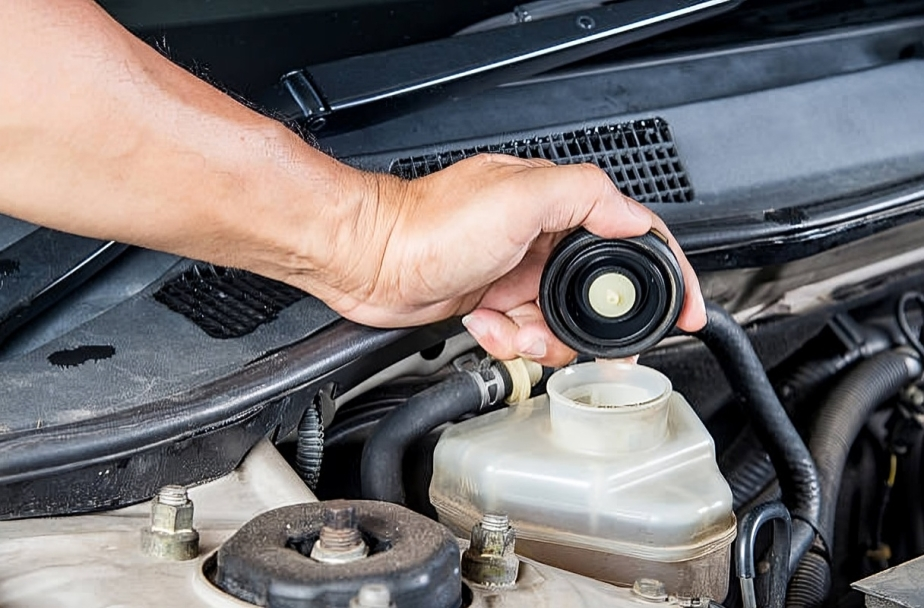
Our expert technicians perform a complete brake system flush, removing old fluid and replacing it with fresh, high-quality fluid that meets manufacturer specifications.
The process includes:
- Inspecting brake lines, calipers, and master cylinder for leaks
- Flushing out all old, contaminated fluid
- Refilling with fresh DOT 3, DOT 4, or DOT 5.1 as required
- Bleeding the system to remove air bubbles for a firm pedal feel
This thorough service ensures your brakes are responsive and safe under all driving conditions.
Brake and Clutch Services in Northern Beaches
As a trusted brake and clutch service specialist, we go beyond basic maintenance. Our team checks the entire braking system pads, rotors, calipers, and hydraulic lines, during every car servicing.
Whether you’re driving through Brookvale, Dee Why, or anywhere across the Northern Beaches, or planning longer road trips, we make sure your vehicle’s braking system performs flawlessly.
Frequently Asked Questions
