When it comes to your car’s clutch and gearbox, it’s easy to fall for myths that could cost you time, money, and performance. At Warringah Brake & Clutch, we’ve seen it all: vehicles brought in after owners ignored warning signs or believed incorrect advice. To help you stay on top of your vehicle health, here are the five most common misconceptions and the facts you really need to know.
Myth 1: “If my car still drives, my clutch and gearbox are fine.”
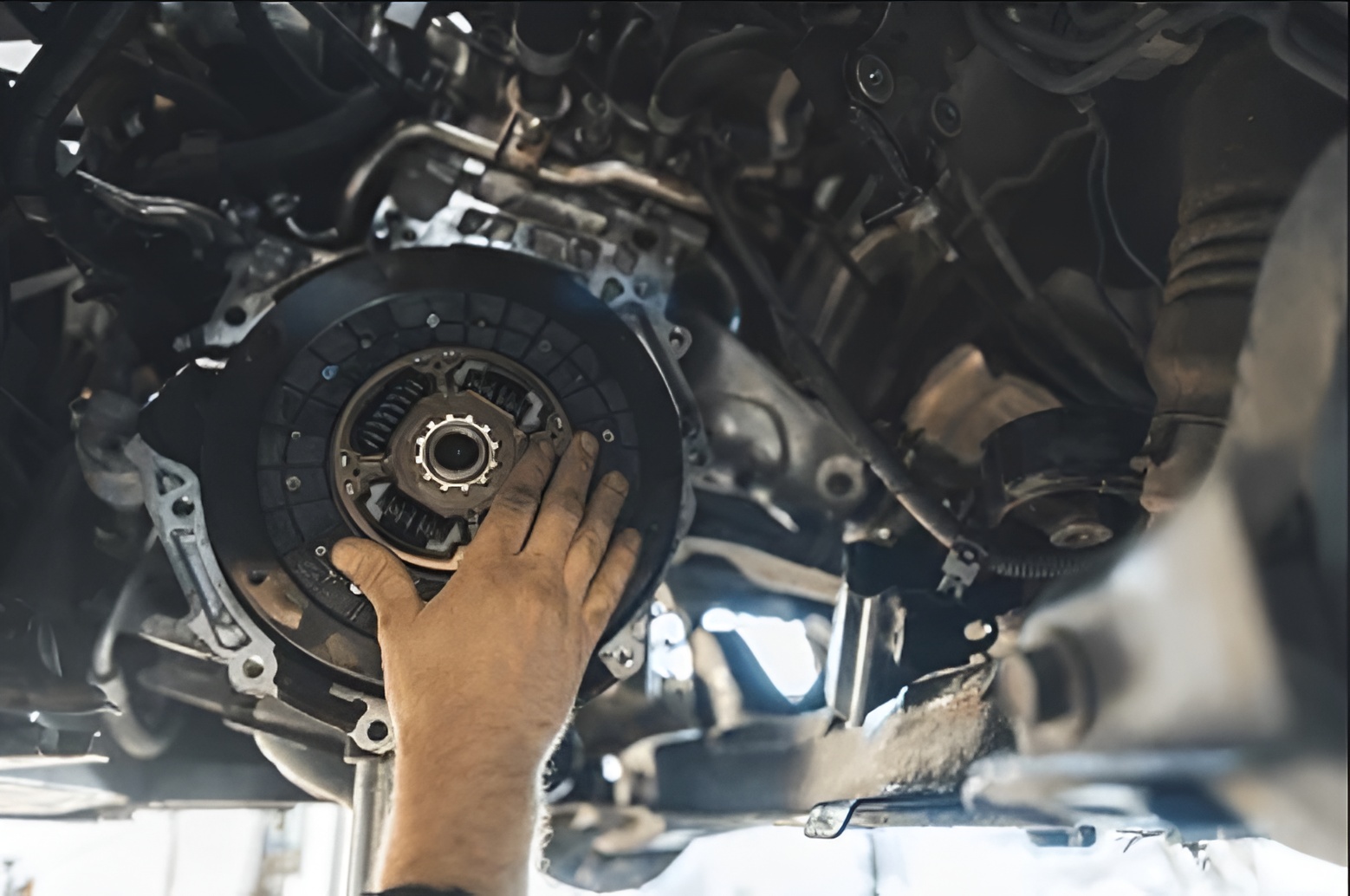
Many drivers assume that as long as the car moves, the clutch and gearbox must be in good shape. The truth? Wear and tear may be happening well below the surface. A slipping clutch, delayed gear changes, or grinding noises may be early warning signs of failure. Ignoring these may lead to full failure and expensive repairs later. Booking prompt clutch replacement services or a full inspection is a smart choice.
Myth 2: “Clutch wear only happens in high-mileage cars.”
It’s often believed that only cars with 200,000 km or more suffer clutch issues. In reality, many factors shorten clutch life: frequent stop-start traffic, towing, heavy loads, or poor driving habits like “riding” the clutch. Your transmission system and gearbox may also take extra strain if the clutch isn’t performing optimally. Regular car servicing can catch problems early before major damage occurs.
Myth 3: “My gearbox just needs fluid; that will fix everything.”
Yes, gearbox fluid (and differential fluid) plays a role in smooth shifting, but simply topping it up isn’t always enough. If your gearbox internals are damaged — worn synchros, broken gears, or misaligned shafts — fluid alone won’t restore performance. A full inspection is often required when you notice:
- stiff or difficult gear changes
- a burning smell from the transmission
- contaminated or dark gearbox fluid
Good servicing routines include gearbox checks as part of your clutch and gearbox servicing routine.
Myth 4: “Clutch and gearbox issues are totally separate.”
While the clutch and gearbox are distinct components, they’re deeply connected. A failing clutch can transmit excessive heat, slipping, or jerking into the gearbox and cause premature wear. Similarly, a damaged gearbox can place abnormal loads on the clutch. Treating one in isolation often ignores the system interplay. For that reason, our team always reviews both during servicing.
Myth 5: “Replacing the clutch means the gearbox will last forever.”
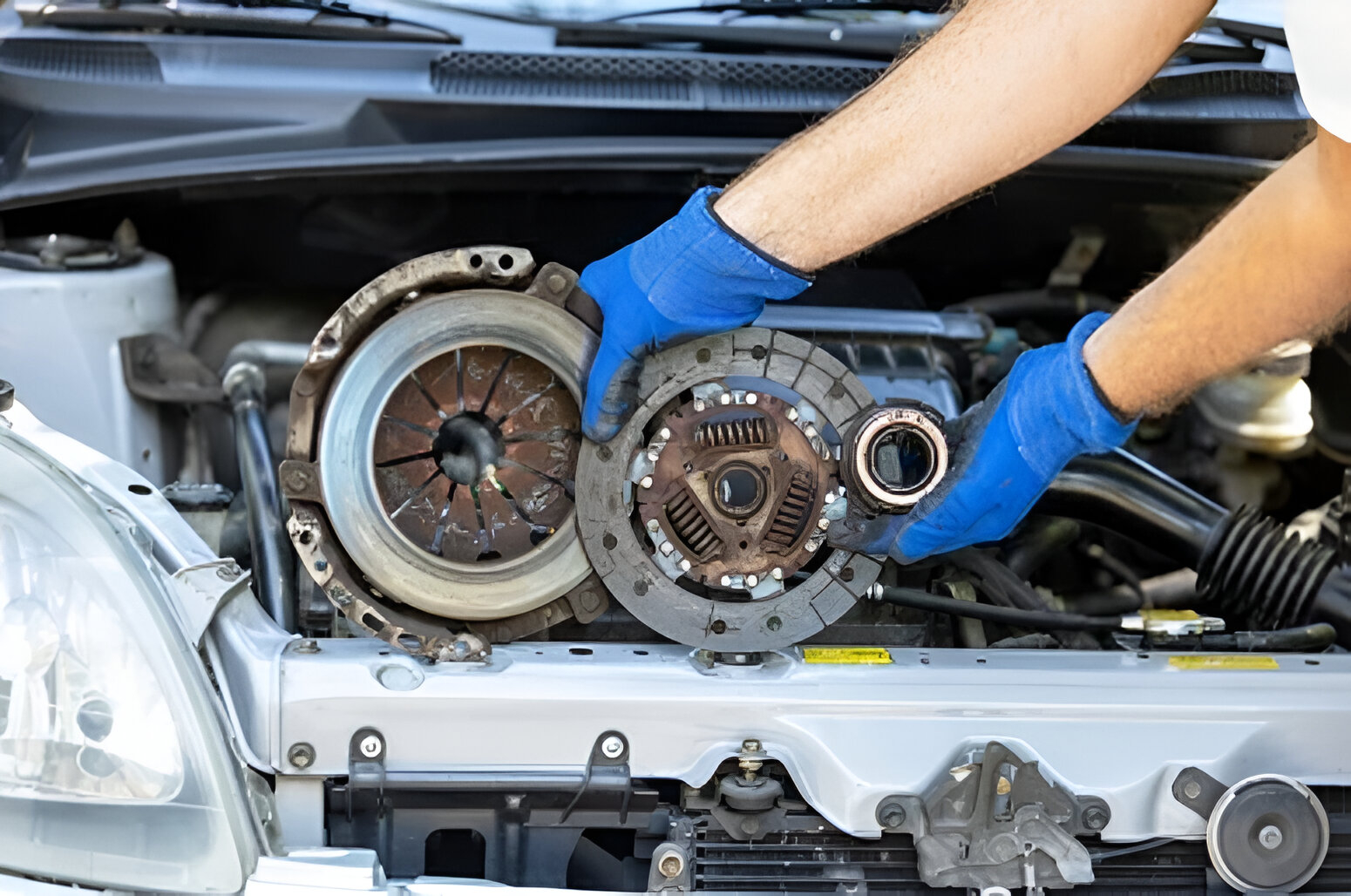
Replacing a worn clutch is an important repair, but it doesn’t guarantee your gearbox will have no future issues. If the gearbox has been stressed by a slipping clutch, mis-shifts, or fluid neglect, internal damage may already exist. That’s why combining a clutch replacement with thorough gearbox inspection – as part of brake and clutch services – gives you the best outcome. A complete health check during servicing ensures you’re covered.
What Should You Do Next?
If your car is showing any of the signs above – slipping clutch, hesitant gear changes, or odd noises from the transmission tunnel – don’t wait for the issue to escalate. Reach out to Warringah Brake & Clutch Centre today for prompt diagnostics, expert repairs, and advice.
Frequently Asked Questions
