When it comes to vehicle longevity, Australian drivers are often told that regular car servicing is the key. But if you look under the bonnet, you’ll find a silent war being waged against contaminants by two main defenders: the oil filter and the air filter.
If you’re a Sydney driver navigating the dusty outskirts or the stop-start traffic of the CBD, you might wonder: in the battle of oil filter vs air filter, which one is actually doing the heavy lifting? Is one more critical than the other, or is your engine’s life dependent on a perfect tag-team performance?
In this comprehensive guide, we explain the difference between oil filter and air filter components, how they protect your engine, and why neglecting either can lead to a very expensive trip to the mechanic.
The Fundamental Difference: Oil Filter vs Air Filter
To understand which protects your engine more, we first need to look at what they actually do. While both are “filters,” they guard different entry points of your engine.
What is an Oil Filter?
The engine oil filter is a mechanical sieve designed to remove contaminants from your engine oil. As motor oil circulates through your engine to lubricate moving parts, it picks up tiny metal shavings, carbon deposits, and soot.
- Location: Usually mounted directly to the engine block.
- Goal: To keep the “blood” of your engine clean so it can lubricate without causing abrasive wear.
What is an Air Filter?
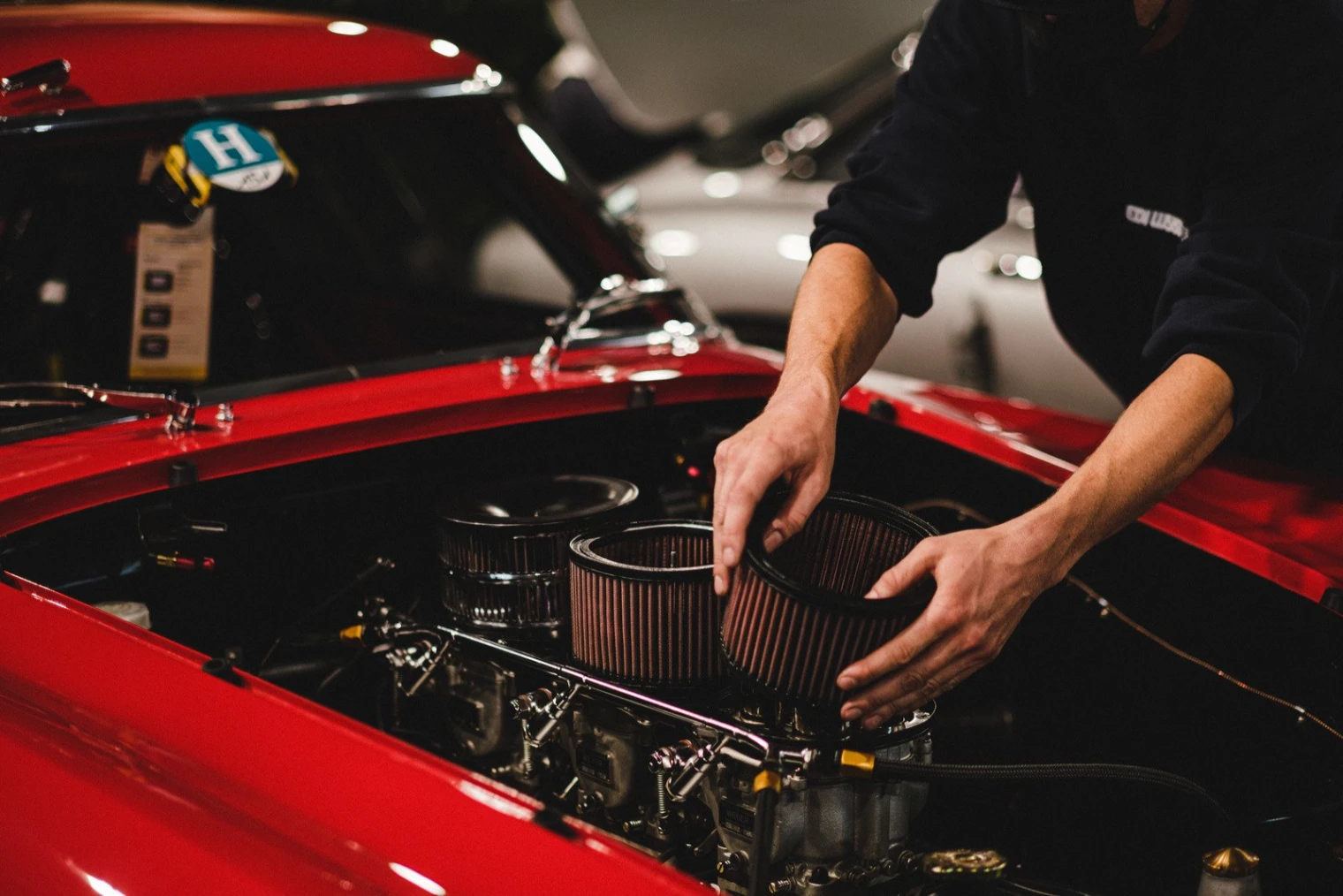
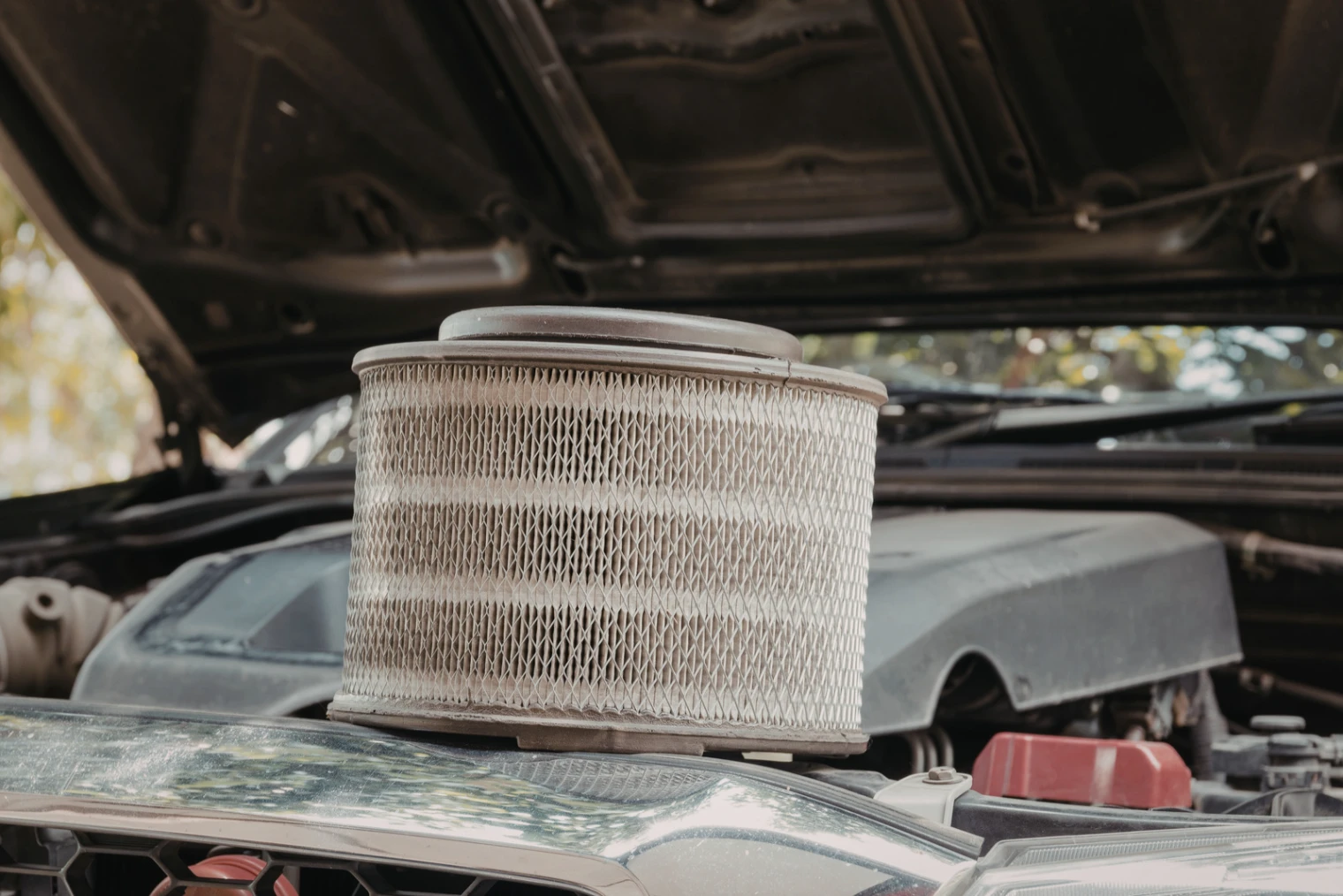
The air intake filter is the engine’s “lungs.” For every litre of fuel your car burns, it needs thousands of litres of air. This filter stops dust, dirt, pollen, and debris from being sucked into the combustion chamber.
- Location: Usually found inside a plastic “air box” connected to the intake manifold.
- Goal: To ensure only pure, clean oxygen reaches the cylinders for combustion.
Which One Protects Your Engine More?
The short answer? It’s a tie, but for different reasons.
If your oil filter fails or becomes clogged, your engine will be forced to circulate dirty oil or, worse, bypass the filter entirely through a safety valve. This leads to internal “scouring,” where metal particles act like sandpaper on your bearings and cylinders.
If your air filter fails, your engine essentially inhales dirt. This grit enters the combustion chamber, where it can scratch cylinder walls and damage valves. Over time, this leads to a loss of compression and “engine blow-by.”
The Verdict: The oil filter protects the engine from internal wear and combustion by-products, while the air filter defends it against external environmental contaminants. You cannot have a healthy engine without both.
Signs of a Clogged Filter: What to Watch For
Sydney’s unique driving conditions, from the salt air of the Northern Beaches to the heat of Western Sydney, can stress your filters differently and quietly chip away at overall engine performance. Here’s how to tell which one is struggling.
Symptoms of a Bad Oil Filter
- Metallic Noises: If you hear grinding or ticking, your oil might be too dirty to lubricate effectively.
- Low Oil Pressure: A clogged filter restricts flow, which can trigger the oil pressure light on your dashboard.
- Dark Exhaust Smoke: Dirty oil can bypass seals and burn in the combustion chamber.
- Sputtering: If the engine isn’t getting clean oil, friction increases, causing the engine to struggle at high speeds.
Symptoms of a Dirty Air Filter
- Reduced Fuel Economy: If the engine can’t “breathe,” it uses more fuel to compensate for the lack of oxygen.
- Sluggish Acceleration: You’ll notice a distinct lack of “pep” when pulling away from the lights.
- Check Engine Light: Modern sensors detect a “rich” fuel mixture (too much fuel, not enough air) and trigger a warning.
- Black Smoke from Exhaust: Unburnt fuel exiting the tailpipe due to poor air-to-fuel ratios.
Car Filters Explained: The Support Act
While the oil and air filters are the stars, a modern vehicle relies on a few other specialised filters to stay healthy.
1. Fuel Filter
Before petrol or diesel reaches your injectors, the fuel filter removes rust or grit from the tank. If this clogs, your car will struggle to start or stall under load.
2. Cabin Air Filter
This one is for you, not the engine. It filters the air coming through your AC vents. In Sydney, this is vital for blocking out pollen and traffic exhaust fumes.
3. Diesel Particulate Filter (DPF)
Found on modern diesel vehicles, this filter catches soot before it leaves the exhaust. It’s worth understanding if you’re driving a late-model Hilux, Ranger, or any other diesel ute.
Service Intervals for Sydney Drivers
Australia is classified as a “harsh” or “severe” driving environment by many global vehicle manufacturers, thanks to our extreme heat, dust, and stop-start urban conditions.
- Oil Filter Replacement: This should be done with every oil change. In Sydney, we recommend this every 6 months or 10,000km. Never put fresh oil through a dirty filter.
- Air Filter Replacement: Usually every 12 months or 20,000km. However, if you regularly drive on unsealed roads or in heavy construction areas, you should check it every 6 months.
The Hidden Costs of Neglect
Skipping routine filter maintenance might save you $50 today, but it can cost you $5,000 tomorrow.
- Fuel Costs: A dirty air filter can increase fuel consumption by up to 10%.
- Engine Rebuilds: A collapsed oil filter can cause total engine seizure in minutes.
- Resale Value: A well-documented logbook showing regular filter changes is the best way to prove your car has been loved.
If your car is feeling sluggish or it’s been a while since your last check-up, a professional eSafety check can identify whether your filters are past their prime.
Frequently Asked Questions
