If you’ve ever compared car specifications or watched automotive reviews, you’ve probably heard people discussing torque vs horsepower. These two measurements are commonly used to describe engine performance, but many drivers aren’t entirely sure what they mean or how they affect real-world driving.
Understanding the difference between the two can help you choose the right vehicle, get more from your car’s performance, and appreciate how engines actually deliver power. In this guide, we’ll break down both engine output metrics in plain language so everyday drivers and car enthusiasts alike can see how they work together.
What Is Torque?
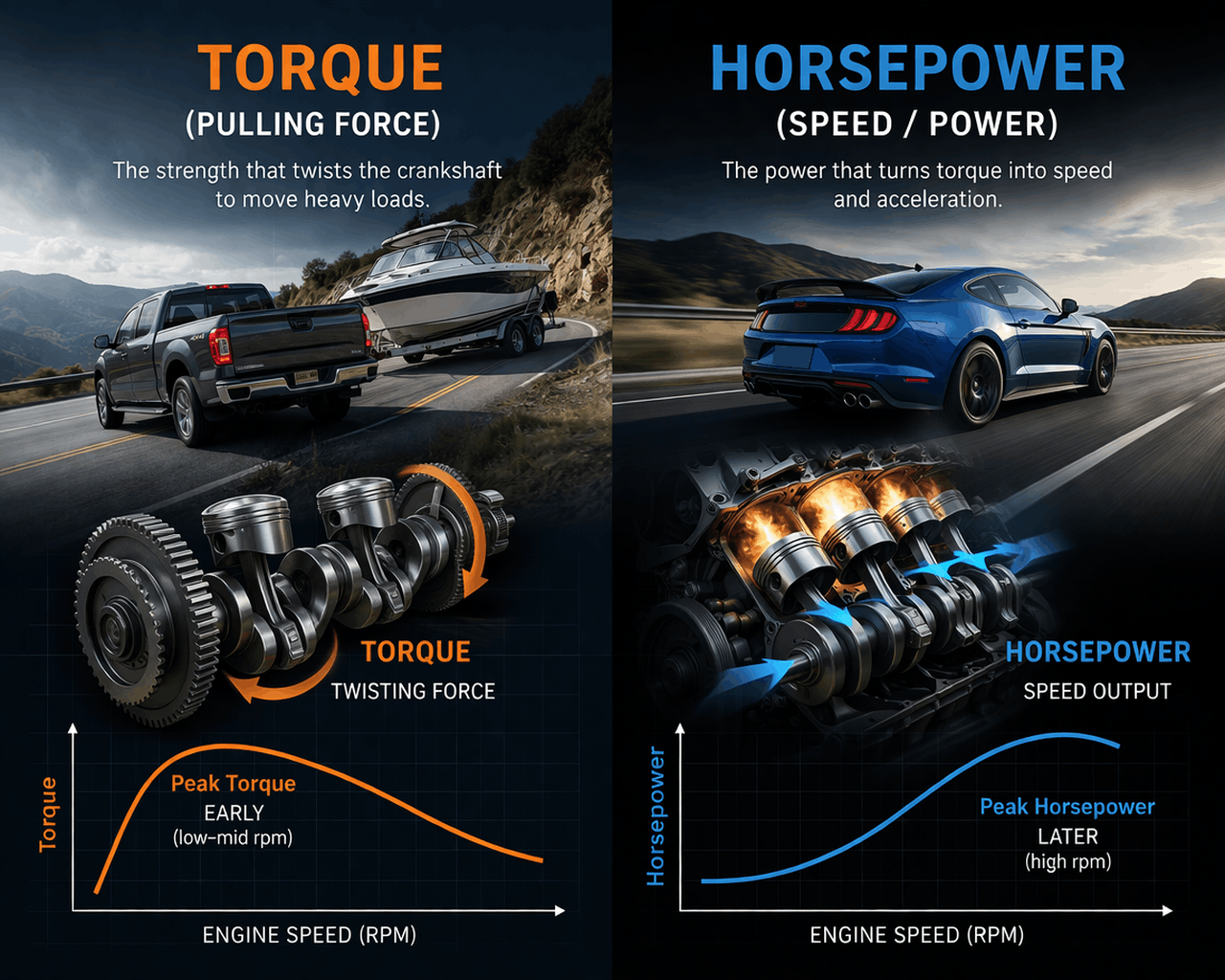
Torque is essentially the twisting force produced by an engine. Imagine using a wrench to loosen a bolt. The force you apply to turn the wrench is torque.
In a car engine, torque is the rotational force that turns the wheels. Higher torque means the vehicle can move heavy loads more easily or accelerate strongly from low speeds.
Torque is particularly important for:
- Towing caravans or trailers
- Carrying heavy loads
- Off-road driving
- Accelerating from a stop
Vehicles such as trucks, SUVs, and towing vehicles rely heavily on strong torque output.
What Is Horsepower?
Horsepower measures how quickly work can be done. While torque is the twisting force, horsepower represents the engine’s ability to sustain that force over time and deliver speed.
An engine with high horsepower can maintain strong performance at higher speeds, which is why sports cars and performance vehicles focus on horsepower ratings.
Horsepower becomes most noticeable when:
- Driving at highway speeds
- Overtaking other vehicles
- Maintaining strong acceleration at higher RPMs
- Performance driving situations
The Relationship Between Torque and Horsepower
These two engine performance metrics are more closely connected than most people realise. Torque is the force, and horsepower describes how quickly that force can be sustained and applied.
In simple terms:
- Torque moves the car.
- Horsepower keeps it moving quickly.
Engines use torque to get the vehicle moving and horsepower to maintain speed and performance as RPM increases.
For example:
- Diesel engines typically produce high torque, making them ideal for towing and heavy vehicles.
- Petrol performance engines often produce higher horsepower for speed and acceleration.
Why Torque Matters in Everyday Driving
For most drivers, torque is more noticeable than horsepower in daily driving. When you press the accelerator at low speeds, torque determines how quickly your car responds.
High torque helps vehicles:
- Pull away smoothly from traffic lights
- Climb hills easily
- Tow caravans or trailers safely
- Carry passengers or cargo without strain
If you regularly tow a caravan or trailer in Sydney or haul heavy loads, having sufficient torque is essential. During routine car servicing, mechanics often inspect components that help deliver torque efficiently, such as transmission systems and engine performance parts.
Why Horsepower Matters
While torque is important for low-speed power, horsepower becomes more important at higher speeds. Vehicles with higher horsepower can accelerate more quickly on highways and maintain stronger performance during overtaking. Performance cars often advertise high horsepower figures because they reflect speed potential.
For drivers who enjoy performance driving or long-distance travel, horsepower contributes to smoother and more responsive acceleration.
Torque vs Horsepower in Different Vehicles
The difference between the two becomes clearer when you look at how different vehicles are built and what they’re designed to do.
Trucks and Heavy Vehicles
Heavy vehicles rely on high torque to move large loads. That’s why diesel engines are commonly used in trucks and towing vehicles.
SUVs and Off-Road Vehicles
SUVs require strong torque to handle rough terrain and steep inclines.
Sports Cars
Performance cars prioritise horsepower to achieve higher speeds and quicker acceleration.
Everyday Passenger Cars
Most modern passenger cars balance both torque and horsepower to provide comfortable everyday driving.
Regular maintenance, including brake and clutch services, ensures your vehicle’s power delivery system remains reliable.
How Torque and Horsepower Affect Towing
If you tow a caravan, trailer, or work equipment, torque becomes especially important. Vehicles with higher torque ratings can handle heavier loads without straining the engine. This is why towing vehicles often prioritise torque over horsepower.
During professional specialised services, technicians may inspect drivetrain components, braking systems, and suspension parts to ensure the vehicle performs safely when towing heavy loads.
Engine RPM and Power Delivery
Torque and horsepower also depend on engine RPM (revolutions per minute). Engines typically produce peak torque at lower RPM and peak horsepower at higher RPM. This balance allows vehicles to accelerate smoothly and maintain speed efficiently.
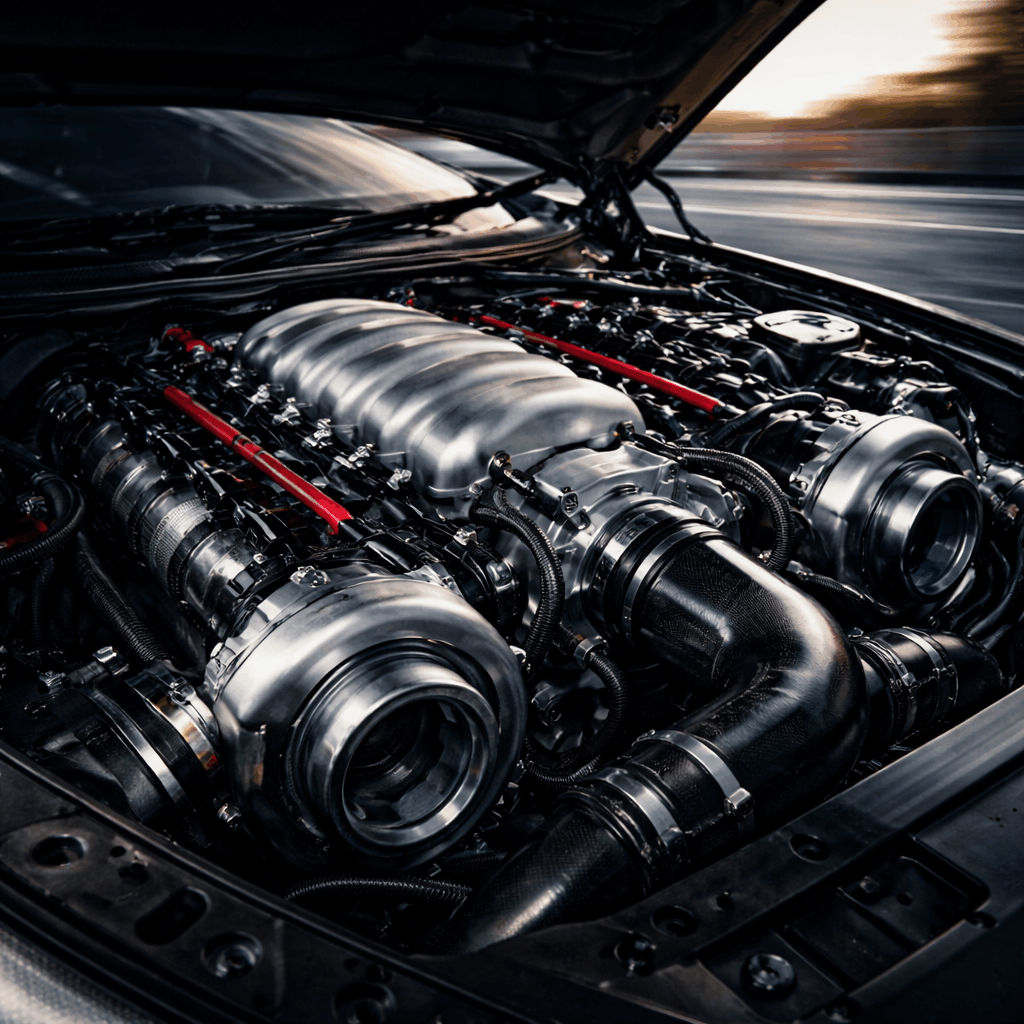
Modern engines use advanced technologies such as turbochargers and variable valve timing to optimise both torque and horsepower across different RPM ranges.
Which Is More Important: Torque or Horsepower?
Neither is objectively better. Instead, both work together to shape your vehicle’s overall performance, and the right balance depends entirely on how you drive.
Your driving needs determine which is more important:
Choose a higher torque if you:
- Tow caravans or trailers
- Carry heavy loads
- Drive on steep terrain
Choose higher horsepower if you:
- Prefer high-speed performance
- Drive on highways frequently
- Enjoy performance vehicles
For most everyday drivers, a balanced engine that provides both torque and horsepower is ideal.
Why Regular Servicing Helps Maintain Engine Performance
Engine performance depends on many components working together. Poor maintenance can reduce both torque and horsepower over time.
Routine car servicing helps keep everything running as it should by ensuring:
- Engine components operate efficiently
- Fuel systems deliver proper combustion
- Air intake systems remain clean
- Transmission systems deliver power smoothly
A good mechanic will also check braking systems and drivetrain components, since these directly affect how safely your vehicle puts its power to the road.
Frequently Asked Questions
