Whether you’re towing a boat, caravan, or camper trailer around the Northern Beaches, one thing remains essential: your brakes must be in top condition. Trailer and caravan brake maintenance is not just about compliance; it’s about safety, stability, and confidence every time you hit the road.
At Warringah Brake & Clutch, we specialise in caravan servicing and professional brake and clutch services to ensure your towing setup performs smoothly and safely, no matter how far your journey takes you.
Learn how to maintain your trailer and caravan brakes with these expert safety tips from Warringah Brake & Clutch in Northern Beaches.
Why Caravan Brake Maintenance Matters
Your caravan or trailer weighs significantly more than your tow vehicle, meaning extra braking force is required to stop safely. Over time, friction, heat, and corrosion can reduce braking efficiency, leading to longer stopping distances and potential hazards.
Regular caravan brake maintenance ensures:
- Consistent braking performance
- Reduced wear on tow vehicle brakes
- Improved towing control on hills and slippery roads
- Compliance with road safety regulations
For drivers in the Northern Beaches, where winding coastal roads and steep gradients are common, reliable brakes are crucial for both safety and comfort.
Understanding Trailer and Caravan Brake Systems
Most caravans and trailers use one of the following brake systems:
Electric Brakes
Controlled by a brake controller inside your tow vehicle, they apply braking force proportionally to your pedal pressure.
Hydraulic Override Brakes
Operate mechanically through the coupling when the tow vehicle slows down.
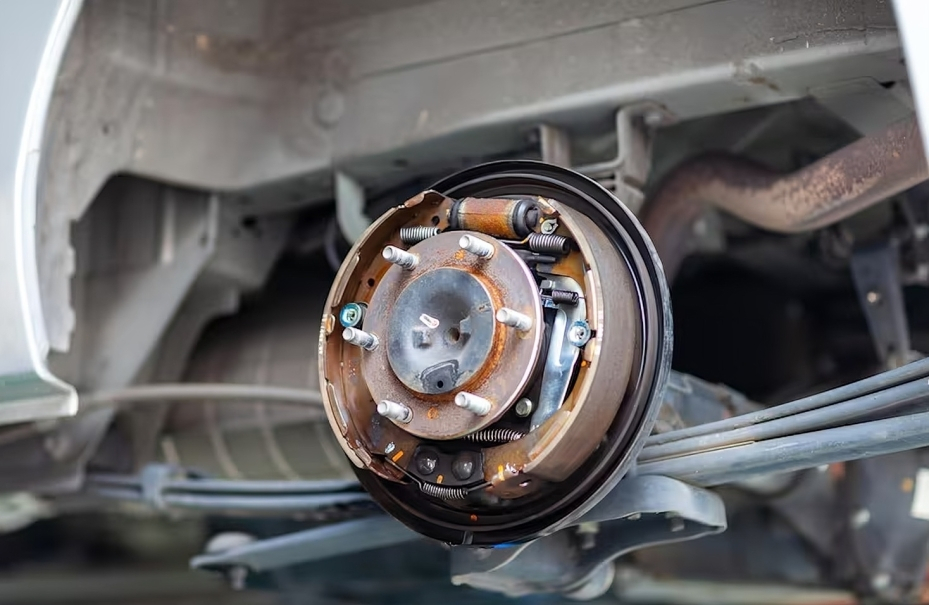
Mechanical Drum Brakes
Found in smaller trailers, activated through cables or rods connected to the towing vehicle.
Each type requires routine maintenance to ensure optimal performance and prevent uneven braking.
Essential Trailer & Caravan Brake Maintenance Tips
Inspect Brake Pads and Shoes Regularly
Check for excessive wear, cracks, or contamination from grease and oil. Replace worn pads immediately to prevent rotor damage.
Clean and Lubricate Moving Parts
Brake components often accumulate dirt and dust. Clean drums and lubricate linkages to ensure smooth operation.
Check Brake Fluid Levels and Quality
For hydraulic systems, brake fluid should be clear and at the correct level. Replace old or contaminated fluid every 12–24 months.
Test Electric Brake Controllers
Make sure the controller applies proportional braking. If you notice jerking or delayed response, the system might need recalibration or wiring repairs.
Adjust Brake Drums and Handbrake
Brakes that are too tight can cause drag, while loose ones reduce stopping power. Adjust as per manufacturer specifications.
Inspect Bearings and Seals
Wheel bearings play a crucial role in brake function. Clean, repack, or replace them regularly to prevent overheating or wheel failure.
Check Brake Wiring and Connectors
Faulty electrical connections can cause one or more wheels to lose braking power. Inspect plugs and connectors for corrosion or frayed wires.
Professional Caravan Servicing in Northern Beaches
DIY maintenance can handle minor checks, but for complete safety assurance, a professional inspection is essential. We provide comprehensive caravan servicing in Brookvale that includes:
- Brake and clutch system inspection
- Brake fluid replacement
- Bearing repacking and seal replacement
- Electric brake testing and adjustment
- Full safety checks for towing readiness
Our expert team uses precision diagnostic tools to detect even the smallest issues before they become serious problems.
Signs Your Caravan or Trailer Brakes Need Attention
- Brakes feel spongy or less responsive
- The caravan pulls to one side when stopping
- Grinding or squealing noises when braking
- The handbrake doesn’t hold on slopes
- Increased stopping distance or trailer sway
If you notice any of these signs, don’t delay; professional servicing can restore braking balance and ensure safe towing.
Common Mistakes to Avoid
- Skipping pre-trip brake inspections
- Ignoring unusual noises or vibrations
- Using mismatched brake pads or fluids
- Overlooking the brake controller calibration
- Neglecting to clean brake components after beach trips
Remember, salt and sand from coastal drives in the Northern Beaches can corrode brake parts quickly, so more frequent checks are recommended for local drivers.
Frequently Asked Questions
