Your vehicle’s braking system relies on more than pads, discs, and calipers. One of the most overlooked yet essential parts of your braking setup is the hydraulic system, especially the flexible hoses that carry brake fluid to each wheel. Understanding Brake Hoses and Hydraulics helps you stay ahead of failures, keep your car safe, and avoid costly repairs down the track.
Drivers in Brookvale and the Northern Beaches often prioritise the big-ticket components during maintenance, but the truth is simple: if your hoses or hydraulic lines fail, your brakes can’t function properly. This guide explains what to inspect, how often, and when it’s time to speak to a qualified mechanic.
Why Brake Hoses and the Hydraulic System Matter
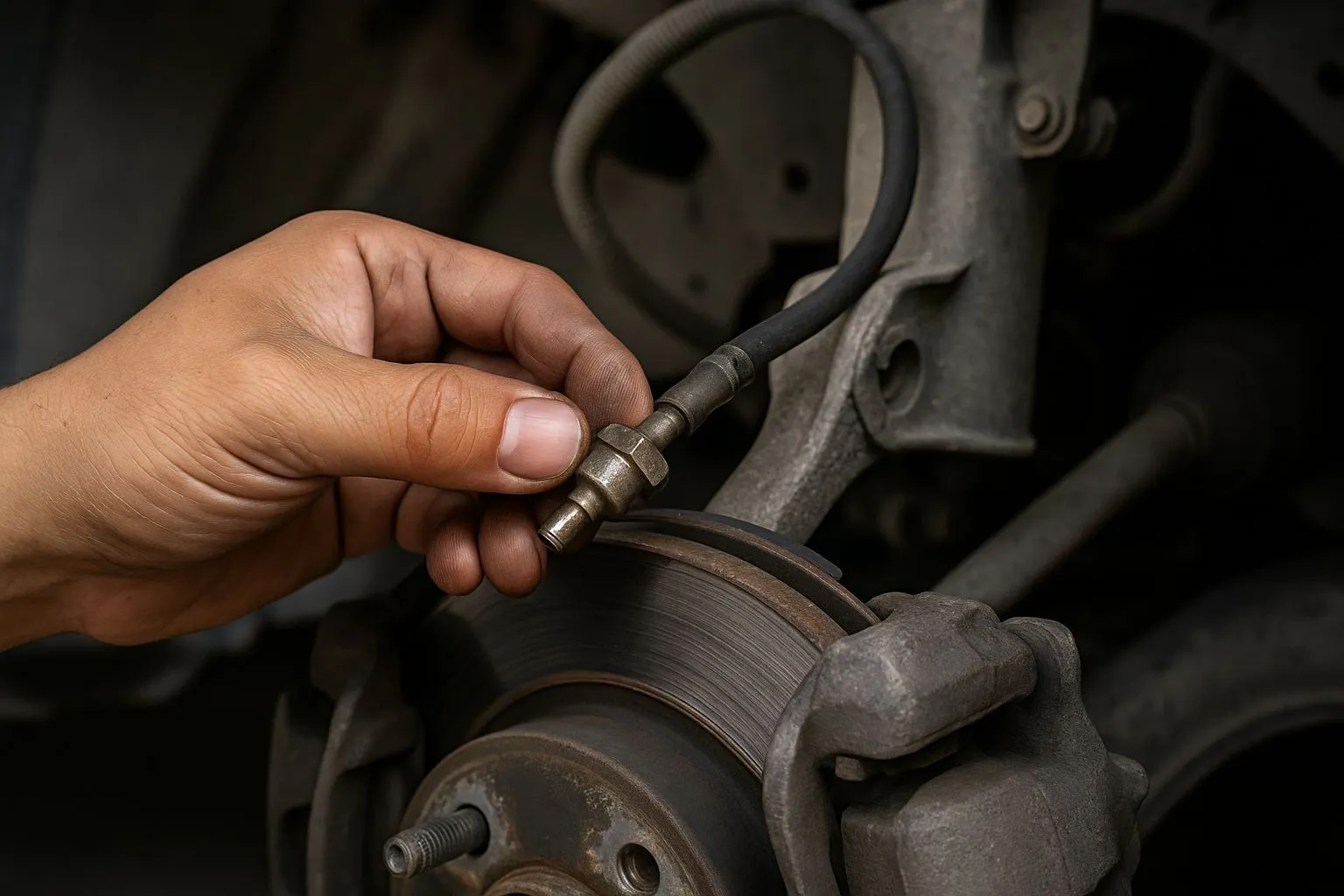
Brake hoses are the flexible lines that deliver high-pressure brake fluid from the rigid metal pipes to your brake calipers or wheel cylinders. When you hit the brake pedal, hydraulic pressure transfers the force instantly, allowing your car to slow down or stop.
If there’s any issue, like swelling, cracking, fluid leaks, blockages, or internal deterioration, you’ll notice reduced braking performance or complete brake failure in extreme cases.
Choosing trusted brake and clutch services ensures the entire system is inspected and maintained by professionals who understand how each component works together.
What Brake Hoses Are Made Of (And Why It Matters)
Modern brake hoses are typically constructed from reinforced rubber with multiple layers for durability and pressure resistance. Some performance vehicles use braided stainless-steel hoses, which offer greater stability under pressure.
Rubber hoses deteriorate with age. Environmental conditions, brake overheating, regular stop-start driving, and road contaminants all affect the lifespan of the material. This is why regular inspections are essential.
Signs Your Brake Hoses Need Attention
Knowing what to look out for can prevent dangerous situations. Common symptoms include:
1. Spongy or Soft Brake Pedal
A soft pedal feel can indicate a damaged hose or air entering the hydraulic system.
2. Visible Cracks or Wear
If the outer layer shows cracking, bulging, or fraying, the hose is compromised.
3. Fluid Leaks
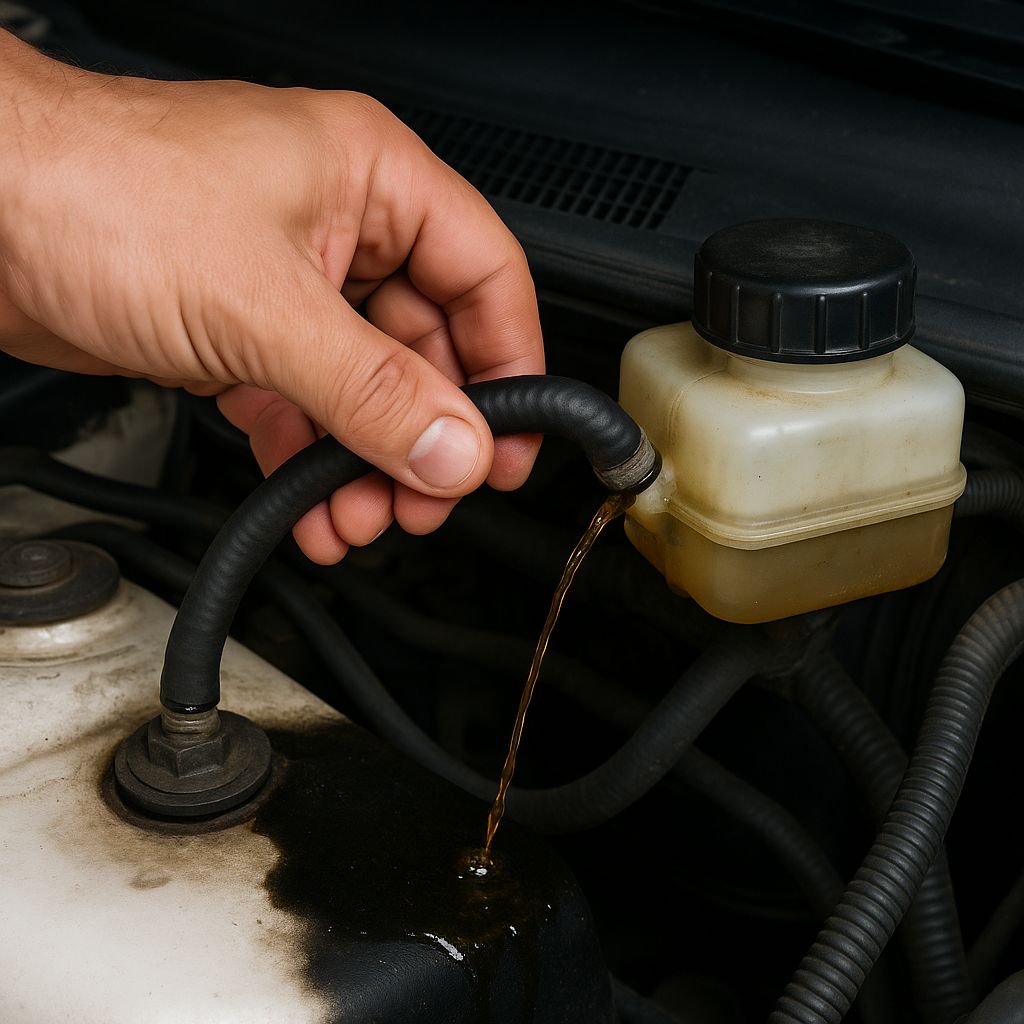
Brake fluid leaks around hoses or fittings require immediate attention. Even small leaks can drastically affect braking power.
4. Uneven Braking
A collapsed internal lining can prevent fluid from reaching the brakes evenly, causing the car to pull to one side.
5. Increased Stopping Distance
Any deterioration in hydraulics reduces braking pressure and increases the time it takes to stop.
If you notice any of these signs, book car servicing in Brookvale as soon as possible to avoid safety risks.
What to Inspect During a Brake Hose and Hydraulic Check
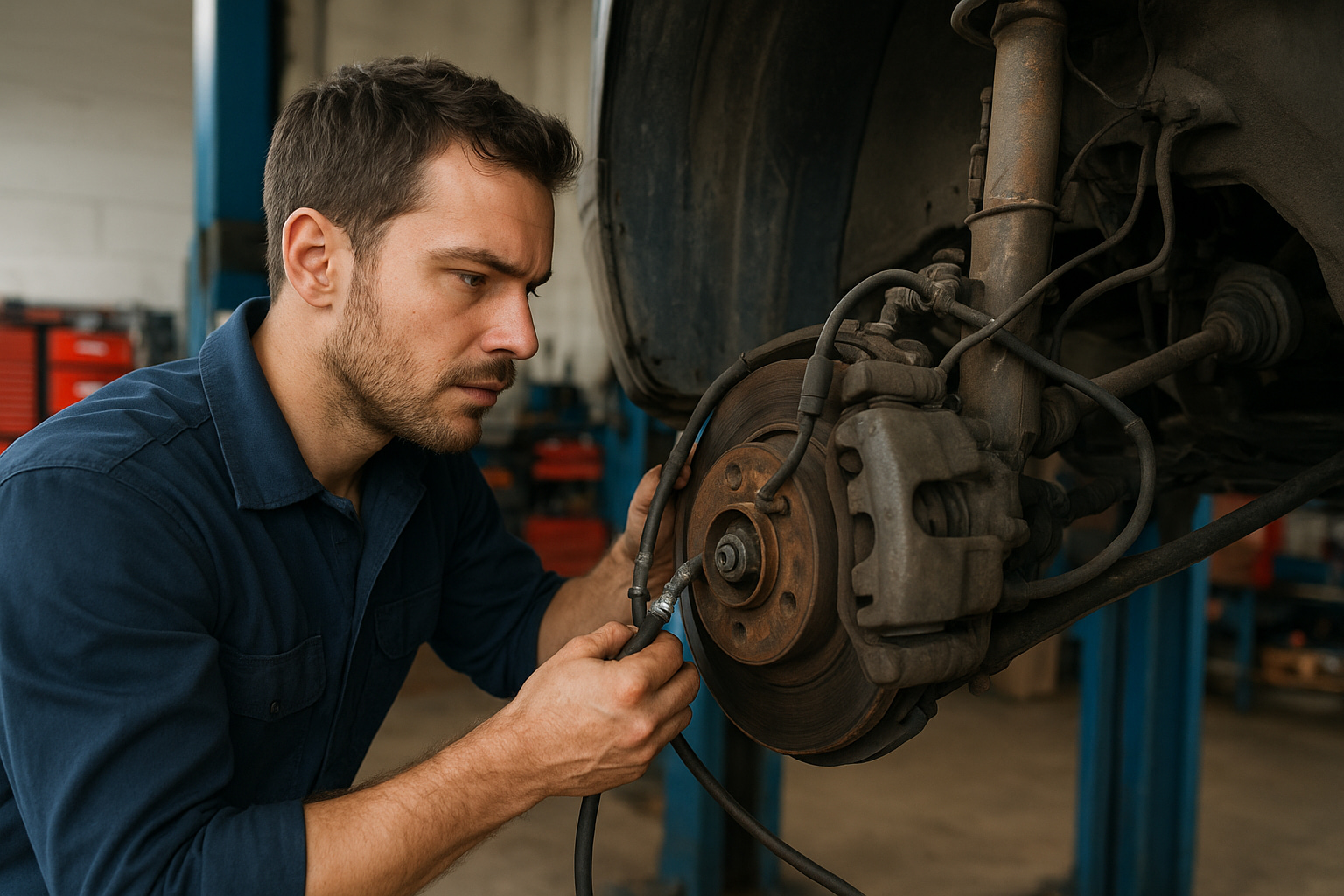
A comprehensive inspection isn’t just about glancing at the hoses. Professional mechanics follow a structured approach:
External Hose Condition
The inspection checks for surface cracks, wear marks from rubbing, bulges, fraying, or oil saturation.
Hose Flexibility
Old hoses become stiff or brittle. A hose should remain flexible under light pressure.
Fluid Leaks
Technicians inspect all connection points, fittings, and joints for dampness or active leaks.
Internal Restrictions
A hose may look fine on the outside while failing internally. Collapsed linings restrict fluid flow and cause uneven braking.
Hydraulic System Condition
This includes the master cylinder, wheel cylinders, calipers, and all hard lines to ensure there are no leaks, corrosion spots, or blockages.
Regular checks ensure your brake hoses and hydraulics remain reliable and compliant with NSW safety standards.
How Often Should You Inspect Brake Hoses?
Most manufacturers recommend a full brake system inspection every 12 months or 20,000 km, whichever comes first. However, hoses should be inspected more often if:
- Your car is more than 8 years old
- You frequently drive in heavy traffic
- You live in a coastal suburb like Brookvale, where salt air accelerates corrosion
- You tow or carry heavy loads
- You use your brakes heavily on hilly terrain
If you’re unsure, include a hose check during each scheduled service.
Maintenance Tips for Healthy Brake Hoses and Hydraulics
Taking simple preventative steps helps your braking system last longer and perform better:
Flush Brake Fluid Regularly
Brake fluid absorbs moisture over time, reducing hydraulic efficiency. Most manufacturers recommend flushing every two years.
Replace Old Hoses
If a mechanic suggests replacement, don’t delay. A failing hose is one of the most common causes of sudden brake issues.
Avoid Contaminants
Oil, grease, and road grime speed up hose deterioration.
Use Quality Parts
Cheap hoses may look similar, but they don’t withstand long-term pressure or heat. Always choose high-quality components.
Get Professional Inspections
Brake safety is never worth compromising. Skilled technicians have the experience to detect problems early.
The Importance of Choosing a Trusted Mechanic
With so much riding on your braking system, choosing the right workshop matters. Reliable brake and clutch services provide accurate assessments, transparent recommendations, and high-quality workmanship.
If you’re looking for preventive maintenance or a detailed brake system check, booking car servicing in Brookvale ensures your vehicle stays safe, reliable, and road-ready.
Frequently Asked Questions (FAQs)
