
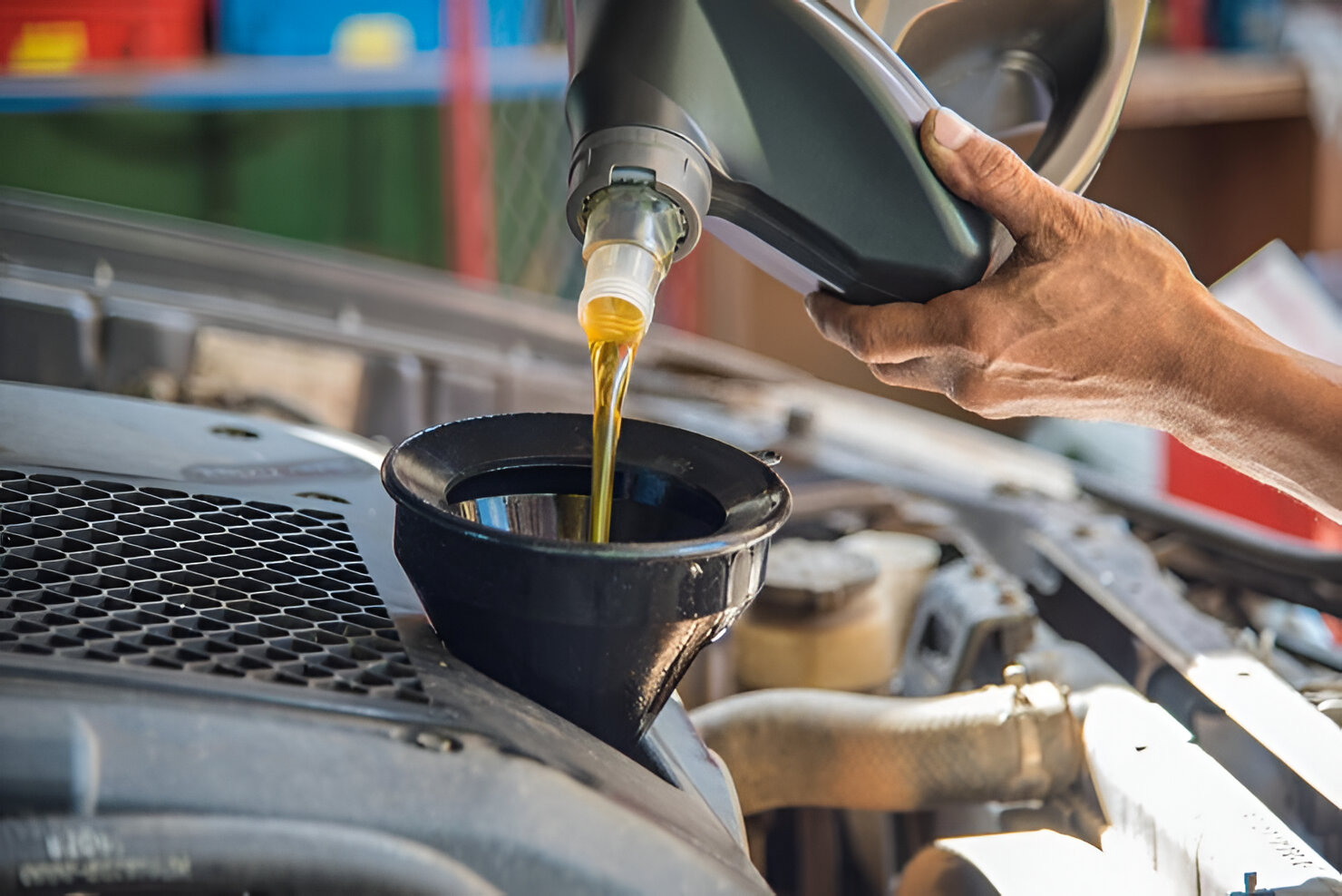
Regular engine oil changes are one of the most important maintenance tasks for keeping your vehicle reliable, efficient, and long-lasting. Despite this, many drivers delay oil changes without realising the long-term damage it can cause to their engine.
In this guide, we explain how often engine oil should be changed, why it matters so much, what it typically costs in Australia, and how proper maintenance can help you avoid expensive mechanical repairs.
Why Changing Engine Oil Is So Important
Engine oil lubricates moving parts, reduces friction, manages engine temperature, and helps remove contaminants. Over time, oil breaks down, becomes dirty, and loses its ability to protect your engine.
When oil changes are delayed, sludge can build up inside the engine, increasing wear on components such as pistons, bearings, and camshafts. This can lead to reduced performance, higher fuel consumption, and even engine failure in severe cases.
Regular oil changes are a simple and cost-effective way to protect your engine and maintain smooth operation.
How Often Should Engine Oil Be Changed?
The correct interval depends on several factors, including vehicle age, engine type, driving habits, and oil quality.
Most modern vehicles require an oil change every 10,000 to 15,000 kilometres or once a year. Older cars, high-performance engines, and vehicles used for towing or short trips may need more frequent servicing.
Following manufacturer recommendations during car servicing ensures your engine stays protected and your warranty remains valid.
Signs Your Engine Oil Needs Changing
Even if you’re unsure of your last service date, there are clear warning signs that oil replacement is overdue.
Dark or gritty oil on the dipstick, unusual engine noise, reduced fuel efficiency, dashboard warning lights, or a burning smell can all indicate that an oil change should be a priority.
Ignoring these signs can lead to damage that goes far beyond a simple service.
What Is Included in an Engine Oil Change?
A professional oil change involves more than just draining and refilling oil.
It typically includes removing old oil, replacing the oil filter, refilling with the correct grade of oil, checking fluid levels, inspecting for leaks, and resetting service indicators where required.
During this process, experienced mechanics can also identify early issues with brakes, clutches, suspension, or cooling systems, helping to prevent costly repairs later.
How Much Does Changing Engine Oil Cost?
Changing engine oil in Australia typically costs between $150 and $250 when included as part of a standard car service.
Pricing depends on oil type, engine size, filter quality, and vehicle make. European vehicles and larger engines often require specialised oils, which can increase costs slightly.
While cheaper options may be available, quality oil and professional installation provide better engine protection and long-term value.

Engine Oil Types Explained
Choosing the right oil when changing engine oil matters just as much as doing it on time.
Mineral oils are generally used in older vehicles, semi-synthetic oils offer balanced performance, and fully synthetic oils provide superior protection and longevity, especially for modern engines.
Using the correct oil type is essential for maintaining performance, fuel efficiency, and engine lifespan.
Why Regular Oil Changes Save You Money
Delaying oil changes may seem like a short-term saving, but it often leads to expensive engine repairs down the track.
Regular oil changes help reduce friction, prevent overheating, and minimise wear on internal components. They also support better fuel efficiency and smoother engine performance.
Preventative maintenance is always more affordable than major mechanical repairs.
Frequently Asked Questions
